Estepona’s restaurant scene can feel overwhelming at first: chiringuitos on the sand, old taverns in narrow streets, modern bistros and places that call themselves “Spanish” while serving everything from paella to burgers. Finding genuine Andalusian food in Estepona means learning to read menus, locations and clientele with a local eye.
This guide focuses on Andalusian food as it is actually cooked and eaten in Estepona today. It explains what “sabor andaluz” means in practice, how to recognise traditional and modern Andalusian restaurants, where to find the best seafood and tapas, and how Malva Beach fits into this picture as a contemporary seafront kitchen linked to Tyrian Residences
Key points at a glance
- “Sabor andaluz” in Estepona means uncomplicated food with clear, bright flavours and a strong sense of place, not showy presentation.
- Local cooking moves between sea and mountains: Mediterranean fish and shellfish on one side, game, goat and mountain herbs on the other.
- Traditional Andalusian restaurants tend to have shorter, focused menus, daily specials and a mix of locals and visitors.
- Modern Andalusian kitchens reinterpret classic dishes with lighter techniques, tasting menus and creative small plates while keeping regional identity.
- Chiringuitos range from very simple plastic‑chair spots to refined beach restaurants; the best balance fresh seafood, honest grilling and a relaxed position by the sea.
- Malva Beach on Playa de la Rada combines a wood‑fired grill with Andalusian produce and is part of everyday life at Tyrian, with reserved space for residents.
What “sabor andaluz” means on the Costa del Sol
“Sabor andaluz” in Estepona usually means uncomplicated food with clear, bright flavours and a strong sense of place. Plates tend to be simple, with only a few ingredients chosen for ripeness, freshness and season.
You will often find acidity and olive oil at the centre of a dish. Vinegar, citrus and good extra virgin olive oil shape salads, cold soups and fish marinades. There is usually a play of temperatures too: icy gazpacho on a hot day, or a platter of hot fried fish eased by a cold beer or tinto de verano.
In a genuinely local restaurant, “sabor andaluz” also shows in the pace and attitude. Service is direct but relaxed. Dishes arrive when they are ready rather than in a strict order. Sharing is expected, and tables often mix small plates and full portions.
The clearest sign you are tasting real “sabor andaluz” is its link to everyday local life. Workers’ set menus at lunchtime, families ordering stews on Sundays and friends standing at the bar over a quick tapa all shape Estepona’s food rhythm as much as the beach restaurants do.
Regional influences and local produce that shape Estepona’s plates
Estepona’s food sits at a crossroads between sea and mountains. The Mediterranean brings sardines, anchovies, mackerel, prawns and clams. Just behind the coast, the Sierra Bermeja offers game, goat, mushrooms, chestnuts and mountain herbs. Local cooking moves constantly between these two worlds.
Influences from the wider region are clear. From Málaga province come olive oils, almonds, raisins and sweet wine that appear in sauces, desserts and marinades. From Cádiz you see echoes in fried fish techniques and sherry vinegar. Granada shows up in the use of spices and slow‑cooked dishes. Older Moorish and North African touches survive quietly too, in the use of nuts, citrus, preserved foods and gentle spicing rather than heat.
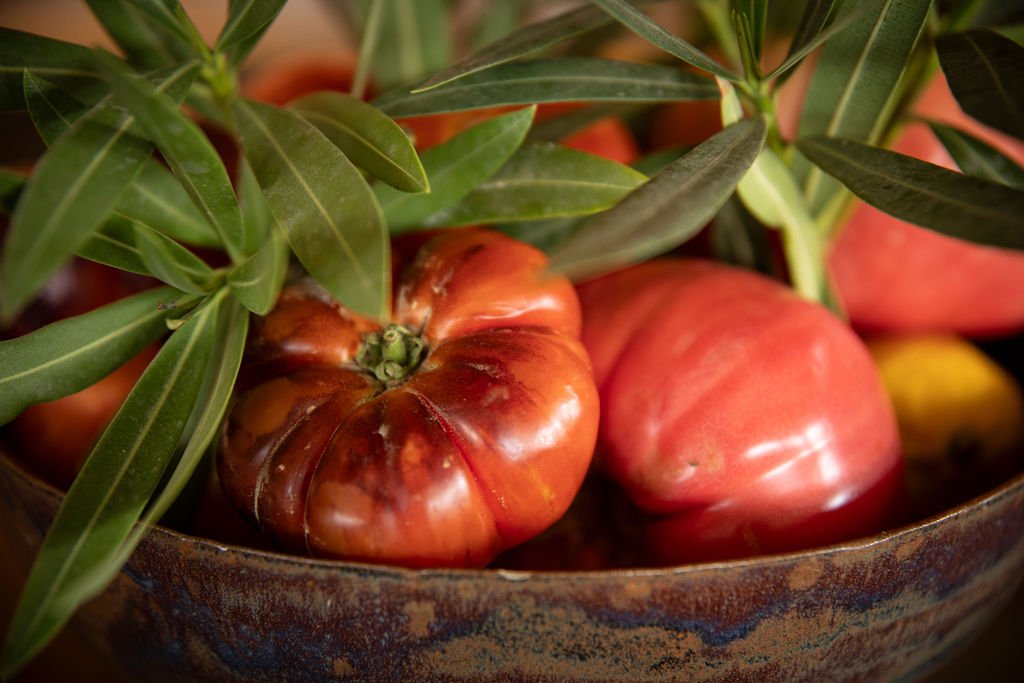
Away from the most tourist‑focused strips, produce is strongly seasonal. Summer brings tomatoes good enough for a simple salad with nothing more than salt and oil. Autumn and winter are the moment for heavier stews, rice dishes and spoon food served in clay cazuelas. Citrus and avocados from the Costa del Sol appear in salads and desserts almost all year.
Key Andalusian dishes you will actually find in Estepona
Menus in Estepona blend familiar favourites with regional staples. In warmer months, gazpacho and salmorejo are almost universal. Both are cold tomato soups, but salmorejo is thicker and creamier, often topped with egg and jamón. Ajo blanco, made from almonds, garlic and bread, appears less often but is worth seeking out in intense heat.
Fried fish is a constant. Look for:
- Boquerones fritos (fried anchovies)
- Calamares and puntillitas (squid and baby squid)
- Adobo, marinated fish with a light vinegar and cumin touch
- Fritura malagueña, a mix of small fish, often served on paper to show the oil is clean
On the meat side, you will find grilled Iberian pork cuts, lamb chops and stews such as rabo de toro or carrillada (slow‑cooked cheeks). Outside the centre, ventas and country restaurants may serve mountain dishes like chivo (kid goat) or hearty cocidos, especially in cooler months.
Simple vegetable plates also matter. Pimientos asados (roasted peppers), berenjenas con miel (aubergines with cane honey) and seasonal revueltos (scrambled eggs with vegetables or prawns) show the lighter, everyday face of Andalusian eating in Estepona, beyond big mixed grills or tourist paellas.
Andalusian Food in Estepona vs Generic “Spanish” Restaurants in a Resort Town
In a resort area like Estepona, many places call themselves “Spanish” without a strong regional focus. Their menus may jump from paella and patatas bravas to burgers and nachos. This can be fine if you just want a casual meal by the sea, but it is different from a kitchen rooted in Andalusia.
A restaurant with a clear Andalusian leaning usually has a shorter, more focused menu. Dishes follow local produce and classic preparations rather than an all‑purpose international spread. You may not see paella at all, or it will share space with rice dishes more typical of southern Spain, such as arroz caldoso with seafood or rabbit.
Decor can mislead. A room filled with flamenco photos or bull images may still serve frozen croquetas and reheated tapas. Instead of judging by theme, look at the blackboard specials, the presence of seasonal stews, and how much of the menu centres on fish, vegetables and simple grills.
Where you see Spanish omelette, Russian salad and croquetas alongside local stews, daily fish and a few offal dishes, you are often closer to an Andalusian casa de comida than to a generic resort restaurant built only around tourist expectations.
Classic traditional Andalusian restaurants in Estepona
Family‑run institutions and long‑standing ventas
Traditional Andalusian restaurants in and around Estepona often began as simple roadside eateries or neighbourhood bars. Over time they became fixtures, serving several generations of the same families. These places usually prioritise regulars over passing trade, but visitors who respect the rhythm are welcomed.
Ventas on the outskirts or along old roads are especially linked to weekend and holiday meals. Locals drive out for long lunches of roast meats, stews and seasonal dishes that are less common in beachfront chiringuitos. Portions tend to be generous, and lingering at the table is normal.
Service in these family‑run institutions can feel brisk but is usually efficient. Staff know many guests by name and may recommend off‑menu dishes if you show interest. This is where you are most likely to find specials built around local game, kid goat or whatever the market has provided that week.
Old town casas de comida with deep local roots
Within Estepona’s old town, you can still find small casas de comida, the traditional eating houses that served workers and residents long before tourism grew. They may not advertise widely, and their frontage can look modest compared with more polished neighbours.
Inside, the atmosphere is homely. Menus are short and change daily, based on what is good and affordable at the market. Dishes like lentejas, cocido, stuffed peppers or simple grilled fish share space with a few seasonal specials. Portions are sized for everyday eating rather than indulgence.
Prices in these places are typically fair, and lunch is their main service. Dinner may be limited or closed entirely. Decoration runs to framed photos, local calendars and perhaps wine barrels or old posters. You have the feeling of stepping into a piece of local routine rather than an attraction.
These casas de comida are ideal if you want to see how Andalusian food fits into daily life, away from menus that cater mainly to visitors.
How to spot genuine traditional spots from the outside
Spotting a genuinely traditional restaurant in Estepona starts on the pavement. Look at the clientele on a normal weekday. A mix of older couples, workers in uniform and family groups is usually a strong sign of local trust.
Menus tend to be concise, often written by hand on a blackboard or paper sheet. You may see “platos de cuchara” (spoon dishes) mentioned, indicating stews and soups. Freezer‑heavy offerings and laminated photo menus are less common in serious traditional places, though there are exceptions.
Decor is typically modest. Bars may have ham legs hanging, tilework or religious images, but rarely coordinated design. The outside often looks slightly worn rather than freshly themed. Another good indicator is a menú del día aimed at locals rather than passing tourists.
If you glance through the door and see a bustling bar with people standing, chatting and snacking while the dining room fills slowly, you are probably looking at a living, traditional Andalusian spot rather than a stage set.
Modern and creative Andalusian cuisine in Estepona
Contemporary chefs reworking Andalusian classics
Estepona has seen a wave of chefs who treat Andalusian cuisine as a base for interpretation rather than a fixed script. They use local products and flavours but present them in lighter, cleaner or more playful ways. This appeals to diners looking for regional identity without heaviness.
You might find salmorejo served in smaller portions with unusual toppings, or fried fish prepared with different batters and garnishes to reduce oiliness. Traditional stews may be reworked, with sauces clarified and meats cooked at lower temperatures for a different texture.
These kitchens also tend to highlight vegetables and raw preparations more than older‑style restaurants. Crudo dishes of local fish, marinated tomatoes or inventive takes on seasonal produce offer an alternative to the standard meat‑and‑fish pattern.
Tasting menus and refined dining with Andalusian identity
A few restaurants in and around Estepona offer tasting menus that build an entire meal around Andalusian ideas. Instead of focusing on show alone, the best of these menus move through the region’s flavours: sea, mountains, olive groves and orchards, in a measured sequence.
Expect multiple small courses, often starting with raw or lightly cooked seafood, moving through reinterpretations of stews or rice dishes and finishing with desserts that echo local sweets without copying them. Wine pairings may feature sherry, Málaga wines and bottles from nearby regions.
Tasting menus suit diners who prefer to let the kitchen decide and give the meal a full evening. They usually require reservations, and dietary limitations should be discussed in advance.
Casual bistros and Andalusian fusion kitchens
Between traditional taverns and formal fine dining sits a growing layer of casual bistros. These places borrow techniques and ingredients from beyond Spain but keep an Andalusian backbone. Menus might pair local fish with Asian‑style sauces, or serve Iberian pork with unexpected marinades.
Portions are usually smaller than classic raciones, designed for sharing and tasting. You might combine a few creative dishes with more familiar items so everyone at the table finds something comfortable. Wine lists often show the same spirit, mixing regional bottles with international options.
Decor tends toward stripped‑down or industrial, sometimes with high tables and a strong bar focus. Service is relaxed, with staff ready to explain less familiar dishes or suggest combinations. These bistros work well for mixed groups where some people want adventure while others prefer gentler changes.
Malva Beach: contemporary Andalusian cooking on the seafront
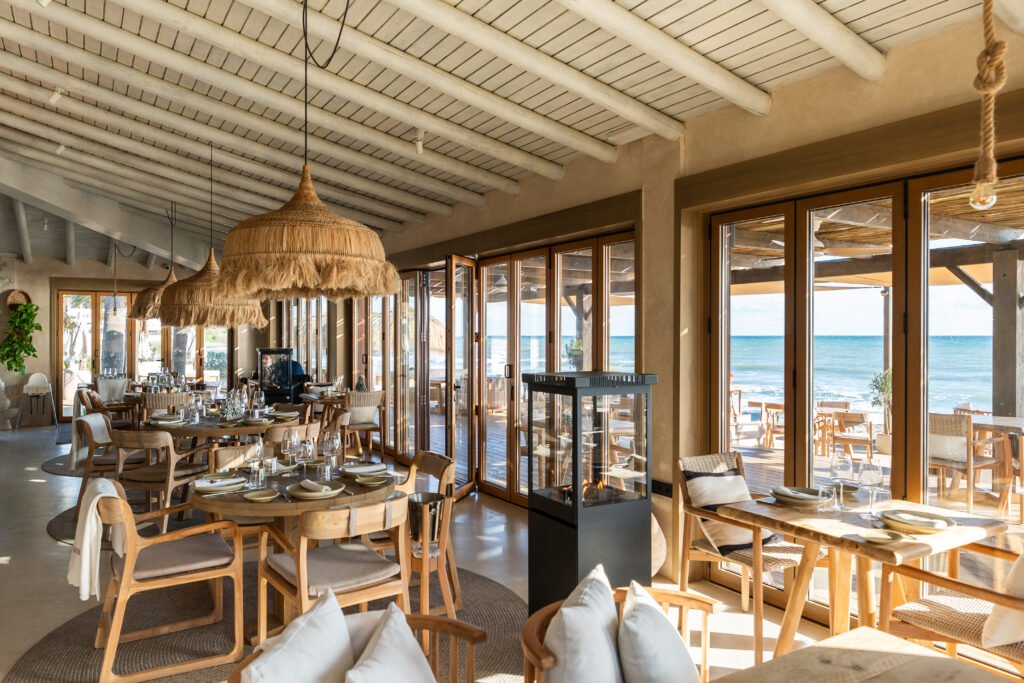
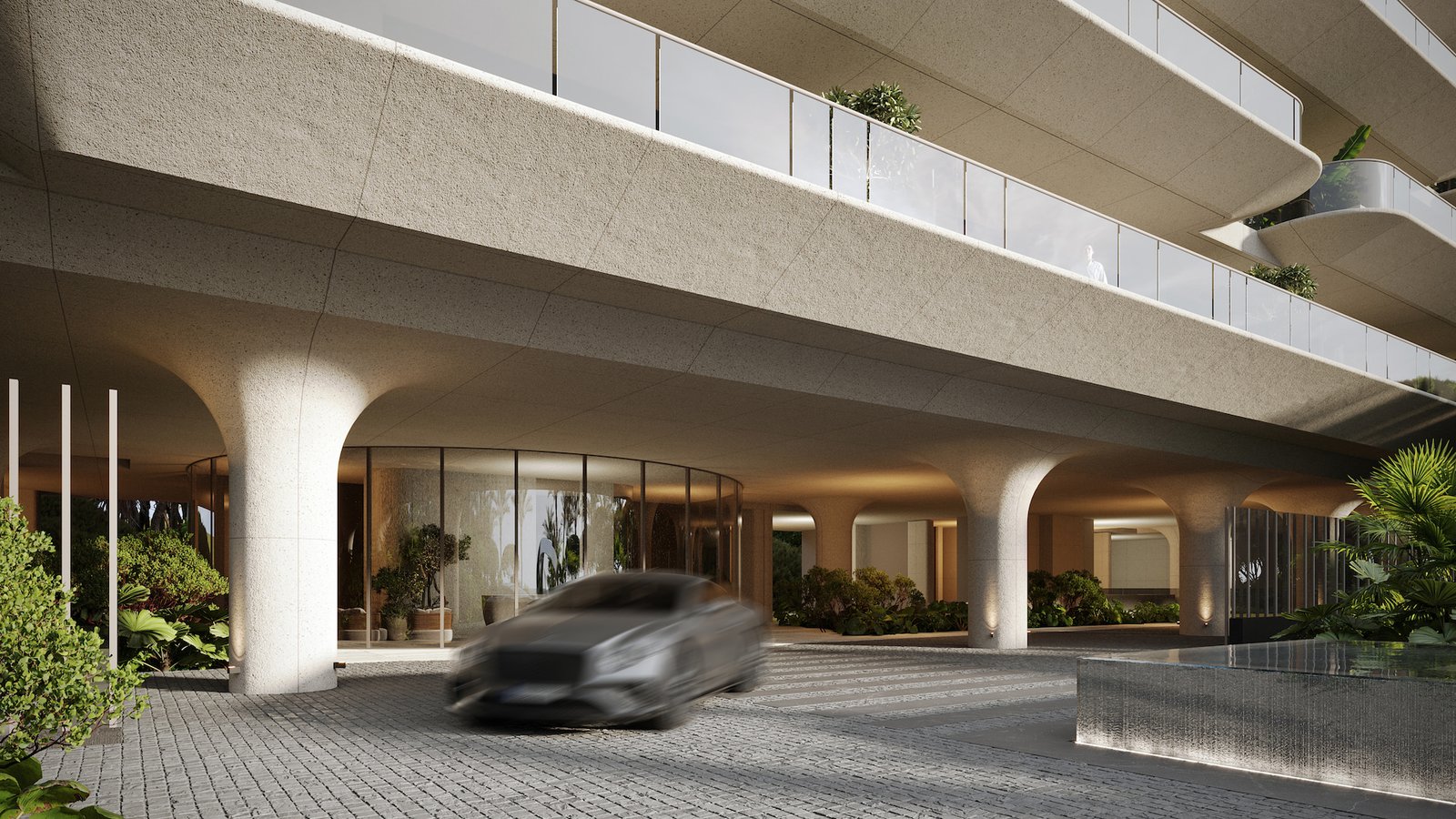
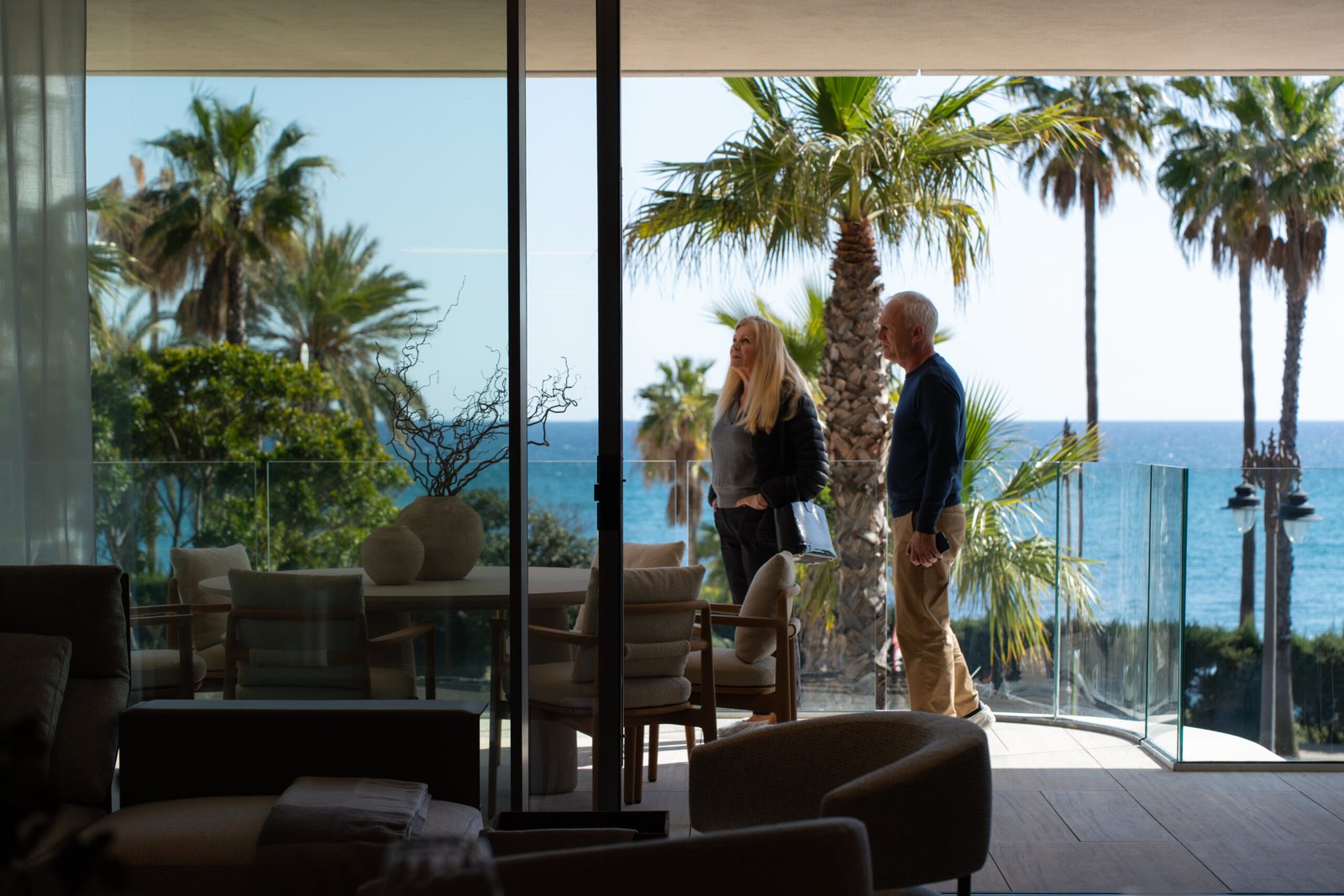
On Playa de la Rada, a few minutes on foot from Tyrian Residences, Malva Beach operates as a seafront restaurant built around a wood‑fired grill. The address carried the Malva Beach name for years as a beach club with sunbeds and a pool. In its current form, it functions as a dining room focused on product, fire and straightforward technique, pairing Basque‑influenced grill work with Andalusian produce and olive oil.
Malva Beach sits between a refined beach restaurant and a contemporary chiringuito: informal enough for a long lunch in swimwear, yet serious in its grill work and product to stand among Estepona’s more formal dining rooms. The menu moves between land and sea, with a strong focus on local fish, seasonal vegetables and simple but precise preparations. For residents of Tyrian, a space at Malva Beach is set aside, along with the possibility of having the same kitchen brought to the residences. The restaurant is open daily, with extended hours in summer and a rhythm aligned to beach life.
Malva Beach illustrates how contemporary Andalusian cooking can sit naturally on a beachfront site: informal enough for a long lunch in swimwear, serious enough in its grill and product to stand among Estepona’s more refined dining rooms.
Best Andalusian seafood and beach chiringuitos
What defines a great chiringuito in Estepona today
In this guide, “chiringuito” refers to beachfront spots focused on grilled fish and a casual atmosphere, often with tables on or very close to the sand. “Beach restaurants” may sit on the promenade or first line but operate more like formal dining rooms. “Casas de comida” are traditional neighbourhood eating houses, usually in the old town, with short menus and a strong local clientele.
A good chiringuito in Estepona balances three elements: fresh seafood, honest grilling and a relaxed spot by the sea. Some are still simple wooden structures on the sand; others have become semi‑permanent beach restaurants with solid roofs and proper wine lists.
Freshness is non‑negotiable. The best places buy from local suppliers and adjust their offer based on what is available. Many display fish on ice at the entrance. You should recognise species common to the area, not just large imported fish aimed at tourists.
Service is usually casual, with staff moving between sunbeds and the dining area. Expect a slow, relaxed pace at busy times; chiringuitos are designed for lingering rather than quick turnover. The sound of the sea and the smell of wood smoke from the espetos are part of the appeal.
Espetos, fritura malagueña and the coastal seafood canon
On Estepona’s beaches, two preparations define the local seafood repertoire.
- Espetos: sardines skewered on a stick and grilled over open fire, usually on small boats filled with sand. Properly done, they are moist, lightly smoky and need only salt and perhaps a squeeze of lemon.
- Fritura malagueña: a mixed fry of small fish and seafood coated in light flour and fried quickly at high temperature. The goal is a crisp exterior and tender interior without excess oil. A good fritura arrives dry on the plate, often over paper to show confidence in the frying.
Beyond these, you will see grilled prawns, clams in garlic and wine and larger fish cooked whole on the grill or in the oven with potatoes and onions. Many chiringuitos also offer rice dishes at lunchtime, which can be excellent when ordered for two or more people.
For readers looking for a more refined beach experience, some of the most respected chiringuitos and seafood addresses on Estepona’s promenade include Chiringuito El Cabrillo, known for its straightforward espetos and fritura malagueña, and La Peseta, a long‑standing favourite for grilled fish and rice dishes. Closer to the port, La Escollera is often mentioned for its dockside setting and focus on fresh catch, while Malva Beach combines a wood‑fired grill with a contemporary approach to Andalusian produce.
Simple vs refined: from plastic chairs to white‑tablecloth sea views
Chiringuitos in Estepona range from very basic to almost fine dining. At the simpler end, plastic chairs, paper tablecloths and cold beers in frosted glasses set the tone. Prices are usually lower, and the atmosphere is noisy, with children playing and music drifting from nearby bars.
More refined beach restaurants may use linen tablecloths, stemware and curated wine lists. Menus expand to include tartares, carpaccios and more elaborate fish presentations. Service tends to be smoother, and reservations are often necessary in high season.
The choice between these styles depends on mood and occasion. For a quick, sandy‑foot lunch straight from the sunbed, basic spots are ideal. For a longer, more polished meal with a focus on wine and conversation, the refined end of the spectrum works better.
Andalusian tapas routes and bar‑hopping in Estepona
Tapas culture: from a free bite with your drink to full raciones
Tapas culture in Estepona is flexible. In some bars you receive a small free bite with each drink: a piece of tortilla, a little stew or a simple montadito. In others, every tapa is priced and listed on the wall or menu. Both approaches are normal; it depends on the house.
For locals, tapas are a way to snack, socialise and bridge the gap between work and late dinner. Standing at the bar is common, especially for quick visits. At tables, people often combine a couple of tapas each with shared raciones, turning the outing into a full meal without formal courses.
The variety across bars is part of the appeal. One may specialise in montaditos, another in seafood, another in traditional stews ladled into small clay dishes. Even when dishes overlap, each place usually has its own style or seasoning.
Classic tapas bars in Estepona’s old town streets
The old town is the natural setting for traditional tapas bars. Narrow streets and small squares hold places where counters are lined with plates and chalkboards list the day’s offering. Many locals move from one to another over the course of an evening.
For readers who want to explore traditional tapas bars in the old town with a more considered setting, local guides and residents often mention La Esquina del Arte and Bar La Esquinita as small, authentic spots where classic Andalusian tapas are served in a lively but well‑kept environment. These places are typically compact, focused on seasonal plates and a good selection of local wines rather than an all‑purpose international menu.
These bars often keep their decor unchanged for years: wooden stools, tiled walls, maybe a television in the corner. The focus is on what comes from the kitchen. You might see boquerones in vinegar, ensaladilla rusa, meatballs in sauce and sizzling dishes of garlic prawns or mushrooms.
Peak time is usually around 9–10 pm in summer, slightly earlier out of season. Children are part of the scene, and noise levels can be high. It is all part of the atmosphere, especially on warm nights when doors and windows stay open.
Modern tapas counters and creative small plates
Alongside old‑school bars, Estepona now has modern tapas counters where chefs use the small‑plate format for more inventive cooking. Portions are still compact, but ingredients and techniques may be less traditional.
You might encounter mini‑burgers made with Iberian pork, baos filled with local prawn fritters or new versions of Russian salad with smoked fish and different textures. Presentation is more careful, and the bar often doubles as a stage where you can watch dishes being assembled.
Prices for these modern tapas are usually higher than in traditional bars, but you are paying for novelty and sometimes better raw materials. Wine by the glass and craft beers often feature prominently, making these spots attractive for younger crowds or anyone wanting to mix dining with drinks.
Practical planning: reservations, timing and local etiquette
When locals eat: lunch and dinner hours in Estepona
Meal times in Estepona follow the wider Andalusian pattern. Lunch is the main meal of the day and usually runs from about 1:30 pm to 3:30 pm. Many restaurants open earlier, but the busiest period sits within that window, especially on weekends.
Dinner starts late by northern European standards. Locals often book for 9 pm or later, and in midsummer terraces can stay lively well after midnight. If you prefer quieter dining rooms, an early sitting around 8 pm can work well, though some kitchens may not be fully in motion at that time.
Beach chiringuitos skew earlier at lunchtime, with families arriving straight from the sand. Tapas bars in the old town peak later in the evening, when people go out for a stroll and a drink. Understanding these rhythms helps you avoid both empty rooms and impossible crowds.
Kitchen hours vs terrace hours: when cooking actually stops
In Estepona, it is useful to separate terrace hours from kitchen hours. Many restaurants, especially traditional Andalusian spots and smaller casas de comida, keep the dining room or terrace open late but stop serving food relatively early.
On a typical weekday outside peak summer, some kitchens may close between 10:00 pm and 10:30 pm, even if the bar stays open later. In high season, hours often extend, but it is still common for the last hot dishes to leave the kitchen before midnight.
Locals often book for 9 pm or later, but in many traditional places this still allows enough time for a full meal before the kitchen closes. The rhythm is usually: arrive around 9–9:30 pm, order in stages, and finish by 11 pm or earlier, especially on weekdays.
If you are planning a late dinner, it is wise to check in advance whether the kitchen will still be serving at the time you intend to arrive. A quick call or message can save a disappointing experience, especially in more traditional places where late‑night eating is not part of the usual routine.
How and when to book: calls, online tools and walk‑ins
Reservation habits vary by type of restaurant. Traditional tapas bars and many chiringuitos still rely heavily on walk‑ins, especially outside peak holiday weeks. Turning up early and being flexible about seating often secures a table without trouble.
More formal restaurants, tasting‑menu venues and popular modern bistros, however, expect bookings, particularly for weekend dinners. Phone calls remain the most reliable method, though many places now use messaging apps or online platforms. When you book, mentioning any dietary restrictions avoids awkward surprises later.
In high season, it can be wise to reserve lunches at sought‑after beach restaurants and dinners at serious Andalusian kitchens a couple of days ahead. Year‑round tourism has stretched the season, but the busiest weeks still centre on local and school holidays. For casual evenings, you can usually combine one or two targeted bookings with spontaneous stops at bars along the way.
If your plans change, cancelling promptly is appreciated. Smaller family‑run places feel no‑shows more than large hotel‑linked restaurants.
Language tips for ordering Andalusian dishes with confidence
You do not need perfect Spanish to eat well in Estepona, but a few key terms help. Recognising words like “plancha” (grilled), “frito” (fried), “guiso” (stew) and “a la espalda” (butterflied and grilled fish) makes it easier to understand how dishes are cooked.
Many menus now include English translations, though they are not always precise. When in doubt, it is fine to ask staff to describe a dish briefly. In traditional spots, pointing to items on the display counter or blackboard and asking about portion size is common practice.
Knowing the difference between tapa, media ración and ración, and between menú del día and the regular menu, helps you avoid ordering either too little or far too much. Saying you want dishes “para compartir” (to share) tells staff that plates will go in the centre of the table.
Polite basics like “por favor”, “gracias” and “la cuenta cuando pueda” (the bill when you can) go a long way in showing respect for the local way of doing things.
Frequently asked questions (FAQ)
What is “sabor andaluz” in Estepona?
“Sabor andaluz” in Estepona refers to uncomplicated food with clear, bright flavours and a strong sense of place, rather than elaborate presentation. Dishes tend to be simple, seasonal and centred on good local produce, with acidity and olive oil playing a key role.
How can I tell if a restaurant is truly Andalusian and not just “Spanish” for tourists?
Look for a shorter, more focused menu, daily specials based on seasonal produce and a mix of locals and visitors. Traditional Andalusian spots often feature stews, simple grills and local fish rather than an all‑purpose international menu.
What are the most typical Andalusian dishes to try in Estepona?
Common dishes include gazpacho, salmorejo, ajo blanco, boquerones fritos, calamares, fritura malagueña, rabo de toro, carrillada, pimientos asados and berenjenas con miel. In country restaurants you may also find chivo (kid goat) and hearty cocidos.
Where is the best area to eat Andalusian food in Estepona?
The old town offers the highest density of traditional and modern Andalusian bars and restaurants within walking distance. The port is practical for casual meals and longer hours, while the beachfront is ideal for seafood and chiringuitos, especially at lunchtime.
What is Malva Beach and how does it relate to Tyrian Residences?
Malva Beach is a seafront restaurant on Playa de la Rada, a few minutes on foot from Tyrian Residences. It combines a wood‑fired grill with Andalusian produce and olive oil, sitting between a refined beach restaurant and a contemporary chiringuito. It is part of everyday life at Tyrian, with reserved space for residents and the possibility of service to the residences.
When is the best time to eat out in Estepona to avoid crowds?
Lunch is busiest between about 1:30 pm and 3:30 pm, and dinner often starts around 9 pm or later in summer. Eating slightly earlier or later than these peaks, especially on weekends and in high season, can help you avoid the longest waits.
Do restaurants in Estepona stay open late for dinner?
Many restaurants keep their terraces or dining rooms open late in summer, but kitchen hours can be earlier than expected. Traditional Andalusian spots and smaller casas de comida often stop serving hot dishes between 10:00 pm and 10:30 pm, especially outside peak season. If you plan to dine late, it is wise to check kitchen hours in advance.