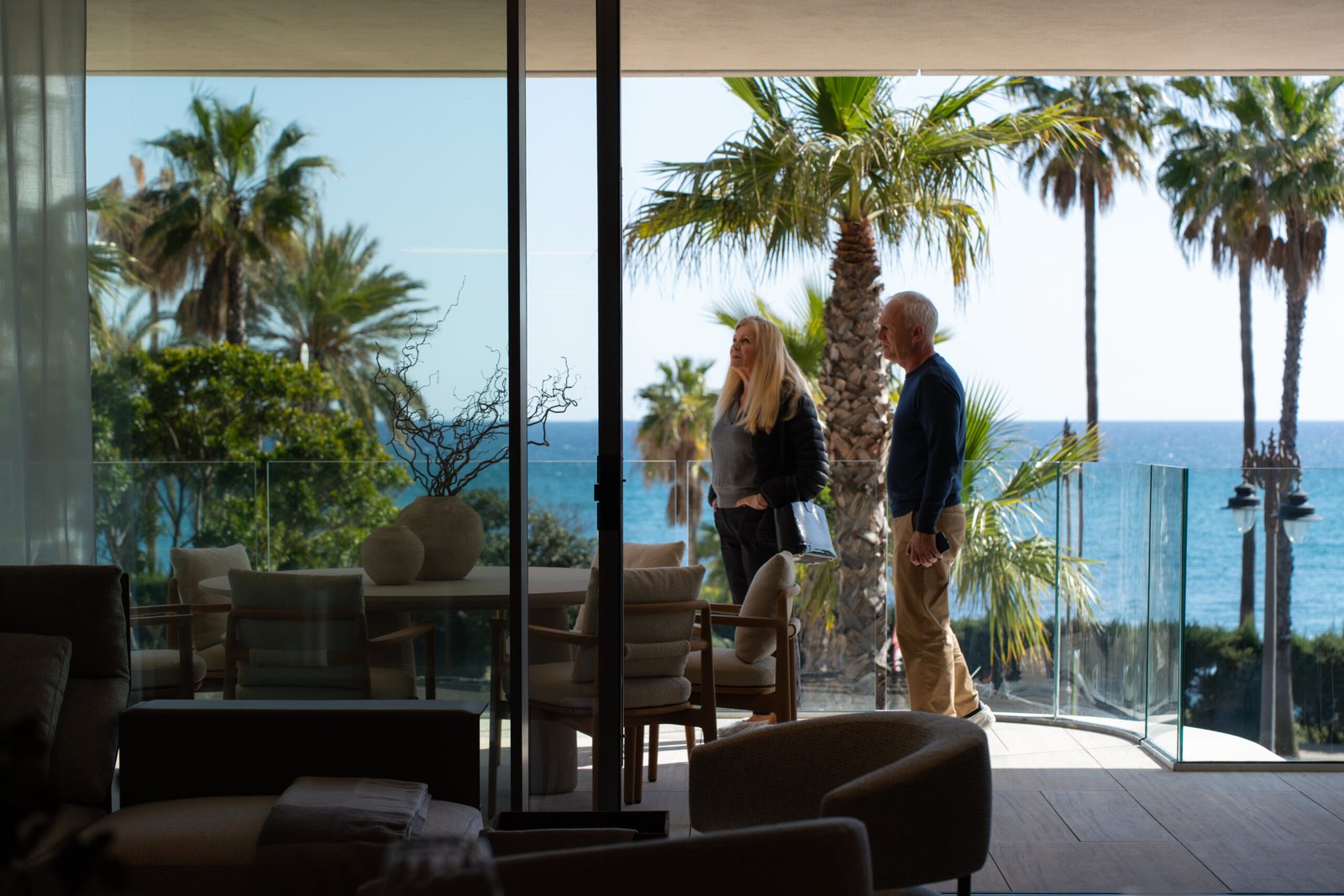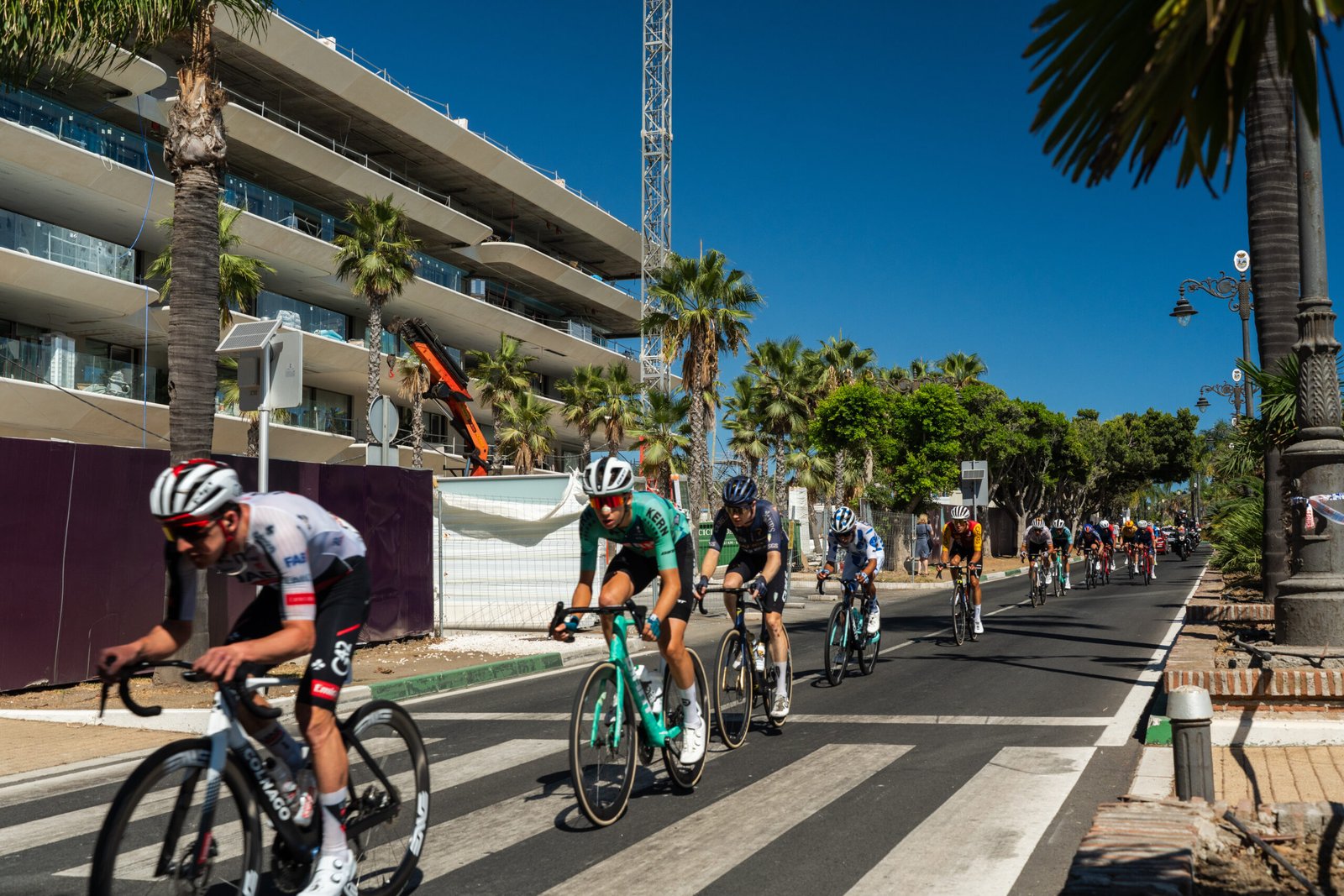
La Vuelta returned to Estepona, bringing one of cycling’s major international events to the Costa del Sol for its third finish at Peñas Blancas. The route crossed the landscape that defines the town, from the Mediterranean coast to the ascent of Sierra Bermeja. From Tyrian Residences, the race could be followed from a private vantage point, with uninterrupted views stretching from the sea towards the mountains. A front-row perspective, with the privacy of home.
In this Article
Why is Estepona a distinctive cycling destination?
Few places on the Costa del Sol bring the sea and the mountains into such close proximity. From Estepona, the Mediterranean stretches south while Sierra Bermeja rises inland, creating a landscape with very different rhythms within a relatively short distance.
For cyclists, this means access to both coastal roads and mountain terrain.
The area around Peñas Blancas provides some of the most demanding routes near Estepona. Other trails and cycling routes lead into Sierra Bermeja, where the landscape changes from the urban coast to pine forests, mountain roads and open views.
Cycling is therefore not simply an activity to pursue away from the town. It is part of the geography of the place.
The same applies to other forms of outdoor life. Hiking routes, coastal walks and access to the mountains make it possible to move between different environments without travelling far.
Peñas Blancas and Sierra Bermeja
Peñas Blancas is where Estepona's relationship with the mountains becomes most visible.
During La Vuelta 2026, the final climb measured 18.7 kilometres, with 1,216 metres of elevation gain and an average gradient of 6.5%. The finish was at 1,268 metres above sea level.
The road begins close to the coast and rises into Sierra Bermeja. As the altitude changes, so does the landscape.
For road cyclists, the climb has become one of the defining routes around Estepona. For visitors, it offers another way to understand the geography of the town.
There are also quieter routes within the same setting. The Fuente El Porrejón route begins on the road to Peñas Blancas and can be explored on foot or by bicycle. Other trails lead through pine forests and Mediterranean vegetation, while the Paseo de los Pinsapos provides access to one of the most distinctive botanical environments of Sierra Bermeja.
The mountain is not simply a backdrop to Estepona. It is part of its identity.
La Vuelta in Estepona and the landscape beyond the race
This transition is one of the most distinctive aspects of living in Estepona.
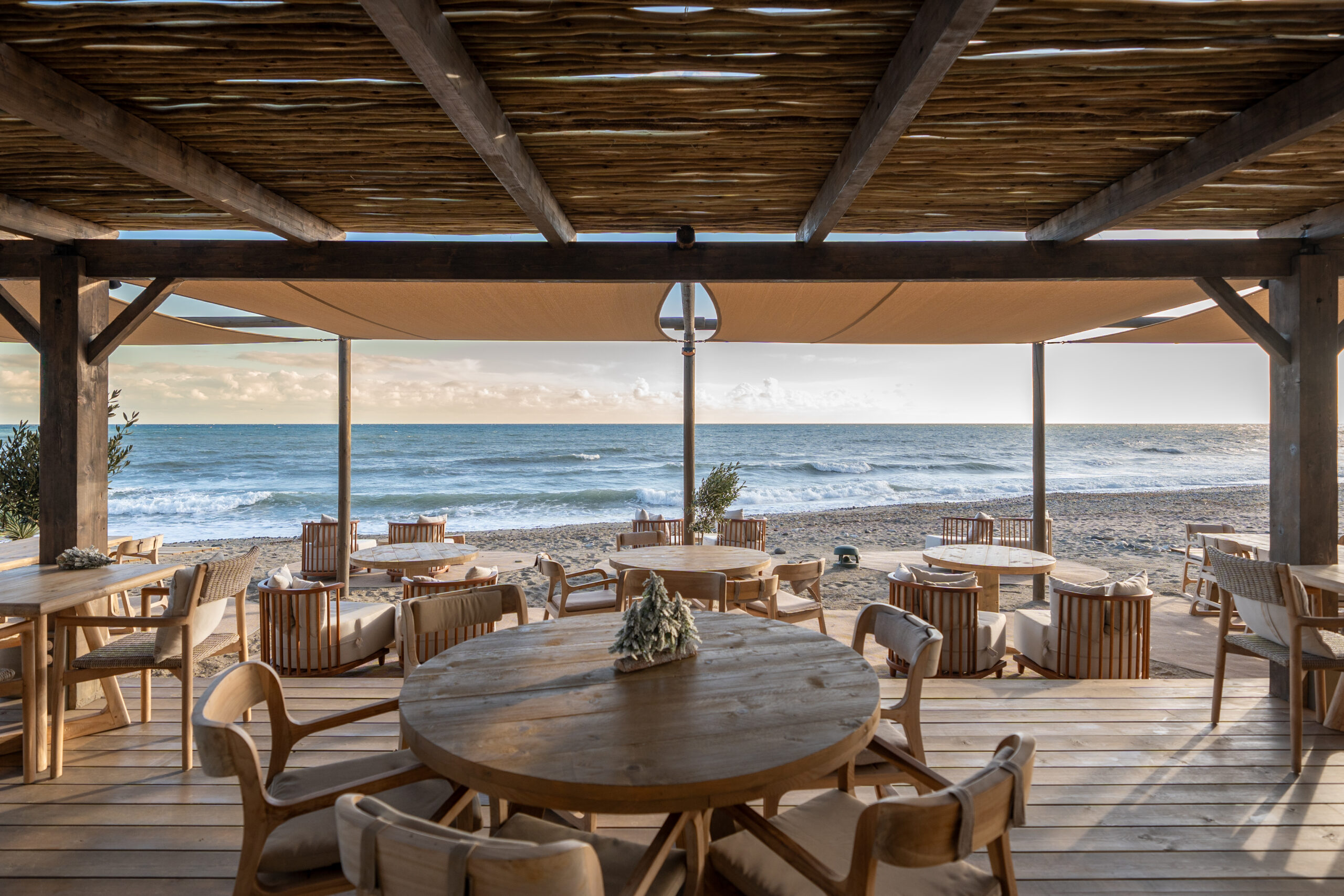
At the coast, the town follows the familiar rhythm of the Mediterranean. The seafront promenade, beaches and marina create an open relationship with the water.
Further inland, the atmosphere changes.
Sierra Bermeja introduces a different sense of scale. Roads become quieter. The landscape becomes more wooded. Views open towards the coast.
The contrast is close enough to become part of everyday life.
A morning can begin with a walk beside the sea and continue towards the mountains. A cycle ride can start in town and finish high above the coastline. A day outdoors can move between water, woodland and open terrain without leaving the wider Estepona area.
For those drawn to an active Mediterranean lifestyle, this proximity matters.
What makes Estepona more than a beach destination?
Estepona is often associated with its coastline. Yet the town has developed a broader identity.
Its historic centre has been renewed as a pedestrian environment, with planted streets, traditional whitewashed buildings and small squares. Murals, sculptures and cultural spaces form part of the urban landscape. The marina adds another connection with the sea, while the wider municipality provides access to golf, hiking, cycling and other outdoor activities.
The result is a destination that can be experienced throughout the year.
There is a slower rhythm in the historic centre. There are mornings on the coast and afternoons in the mountains. There are restaurants, cultural spaces and outdoor pursuits within easy reach.
This variety is particularly relevant for those looking beyond a traditional holiday destination.
Estepona offers the possibility of making the landscape part of everyday life.
La Vuelta and Estepona
The return of La Vuelta in 2026 was not Estepona's first connection with the race.
Peñas Blancas had already hosted La Vuelta finishes in 2013 and 2022. In 2026, the race returned to the same mountain setting, with Estepona forming part of the route before the final ascent.
The sporting event was temporary.
The landscape was not.
For a few hours, the roads between the coast and Sierra Bermeja became part of an international cycling event. Afterwards, the same routes returned to their everyday rhythm.
That is perhaps what makes the event interesting from a destination perspective.
La Vuelta did not create the appeal of the landscape. It simply brought attention to it.
Living between sea and mountain
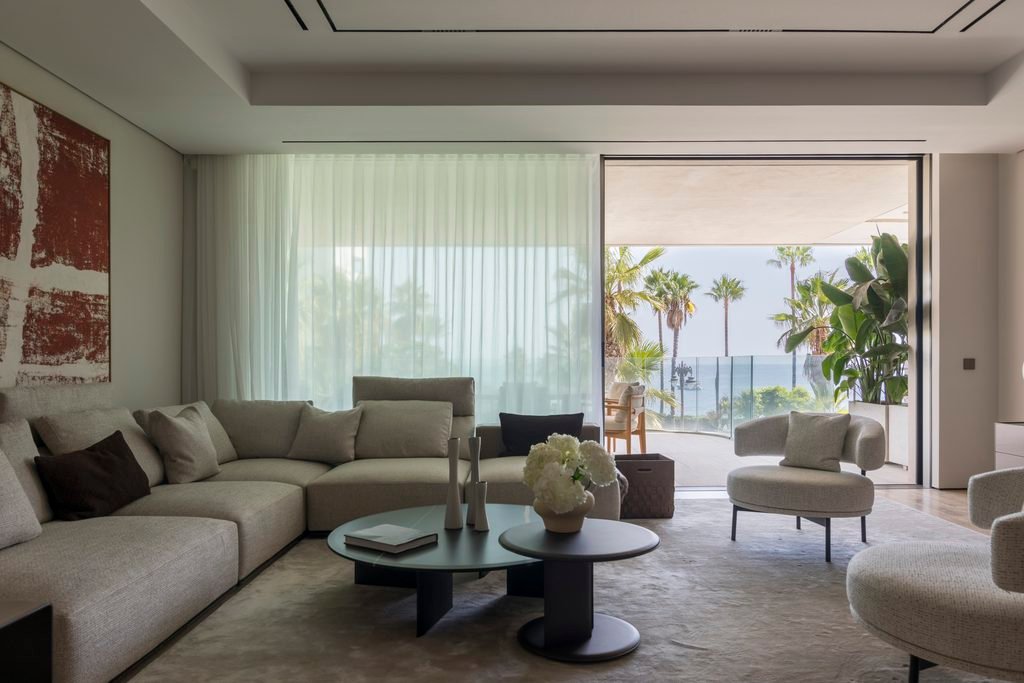
For those considering a home on the Costa del Sol, location is about more than proximity to the beach.
It is also about what surrounds you.
In Estepona, the Mediterranean is one direction. Sierra Bermeja is another. Between them is a town with an established local character, a growing cultural offering and access to an unusually broad range of outdoor activities.
At Tyrian Residences, this relationship with the landscape is central to the setting.
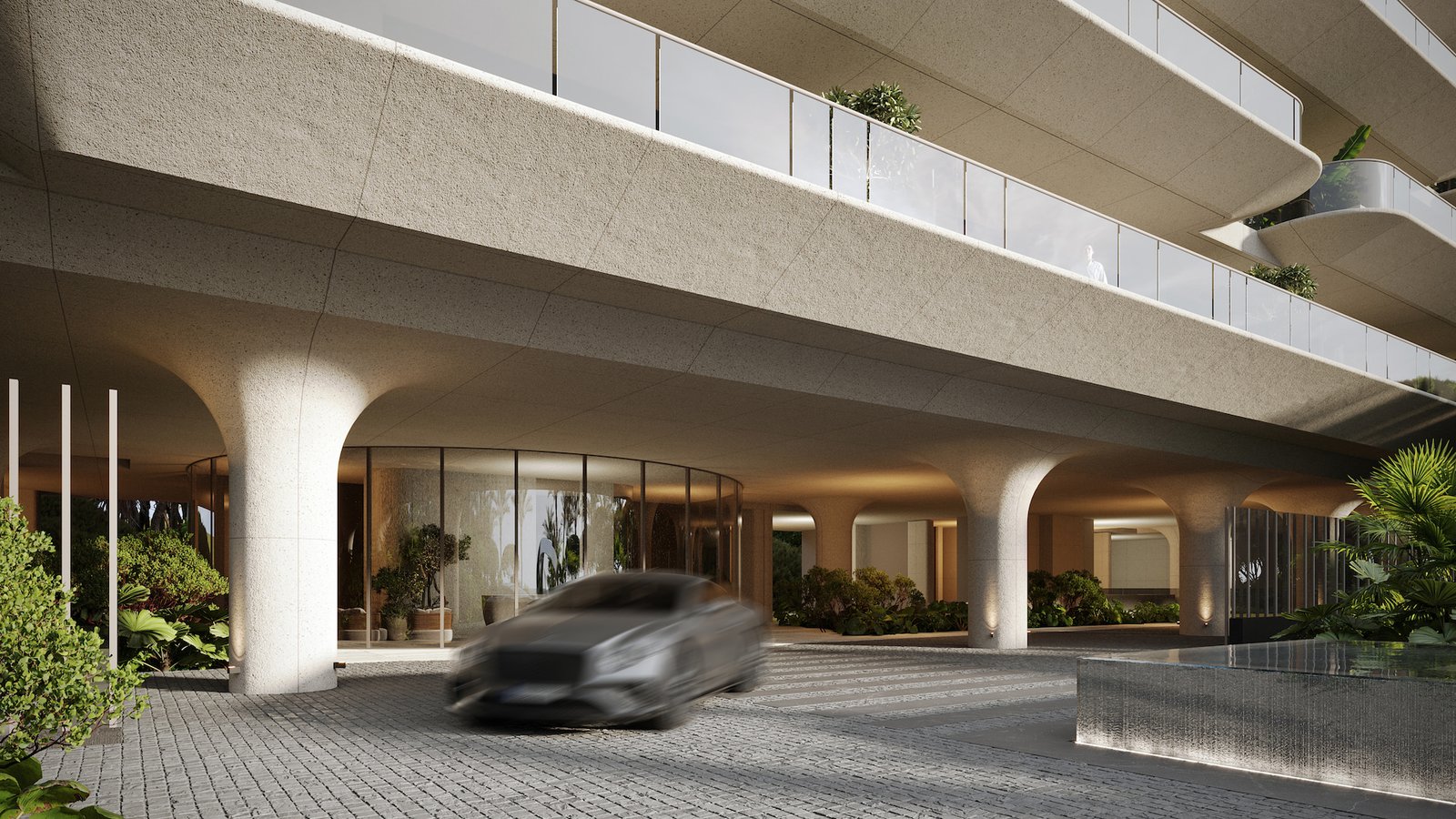
The residences sit on the seafront, with the Mediterranean immediately beyond the Smart Boulevard and Sierra Bermeja rising inland. The architecture is designed to frame both the horizon and the surrounding landscape, creating a sense of connection with the setting.
From this perspective, La Vuelta becomes a small illustration of something more permanent.
The coast, the mountains and the life between them are not occasional experiences.
They are part of living in Estepona.
Frequently asked questions
Is Estepona a good destination for cycling?
Yes. Estepona provides access to coastal cycling as well as mountain routes through Sierra Bermeja. Peñas Blancas is one of the area's best-known climbs, while other routes offer different levels of distance and difficulty.
What is Peñas Blancas in Estepona?
Peñas Blancas is a mountain area above Estepona in Sierra Bermeja. It is known for its demanding road climb and has hosted finishes of La Vuelta, including in 2013, 2022 and 2026.
How long is the Peñas Blancas climb?
The 2026 La Vuelta route measured 18.7 kilometres from the start of the climb to the finish, with 1,216 metres of elevation gain and an average gradient of 6.5%.
Is Estepona more than a beach destination?
Yes. Alongside its beaches and marina, Estepona offers a historic centre, cultural attractions, hiking and cycling routes, golf and direct access to Sierra Bermeja.
What is Sierra Bermeja?
Sierra Bermeja is the mountain range rising behind Estepona. It is characterised by distinctive geology, Mediterranean vegetation and a network of hiking and cycling routes.
Why is Estepona attractive for an active lifestyle?
Its geography makes a wide range of outdoor activities accessible from the town. The Mediterranean provides opportunities for swimming, sailing and coastal walks, while Sierra Bermeja offers hiking and road cycling.