2026-06-25
Why the Costa del Sol Is Becoming an International Prime Residential Asset Class
Insights from Vitaliy Rushchynskyy, co‑founder of Prestige Expo Group and developer of Tyrian Residences in Estepona.
The Costa del Sol is no longer just a holiday coast. It is evolving into an international prime residential asset class, driven by structural land scarcity and a new profile of long-term international buyer.
At the Forbes Real Estate Forum Costa del Sol, Vitaliy Rushchynskyy, co‑founder of Prestige Expo Group, outlined why this transformation is happening now — and how Estepona is leading the next prime cycle.
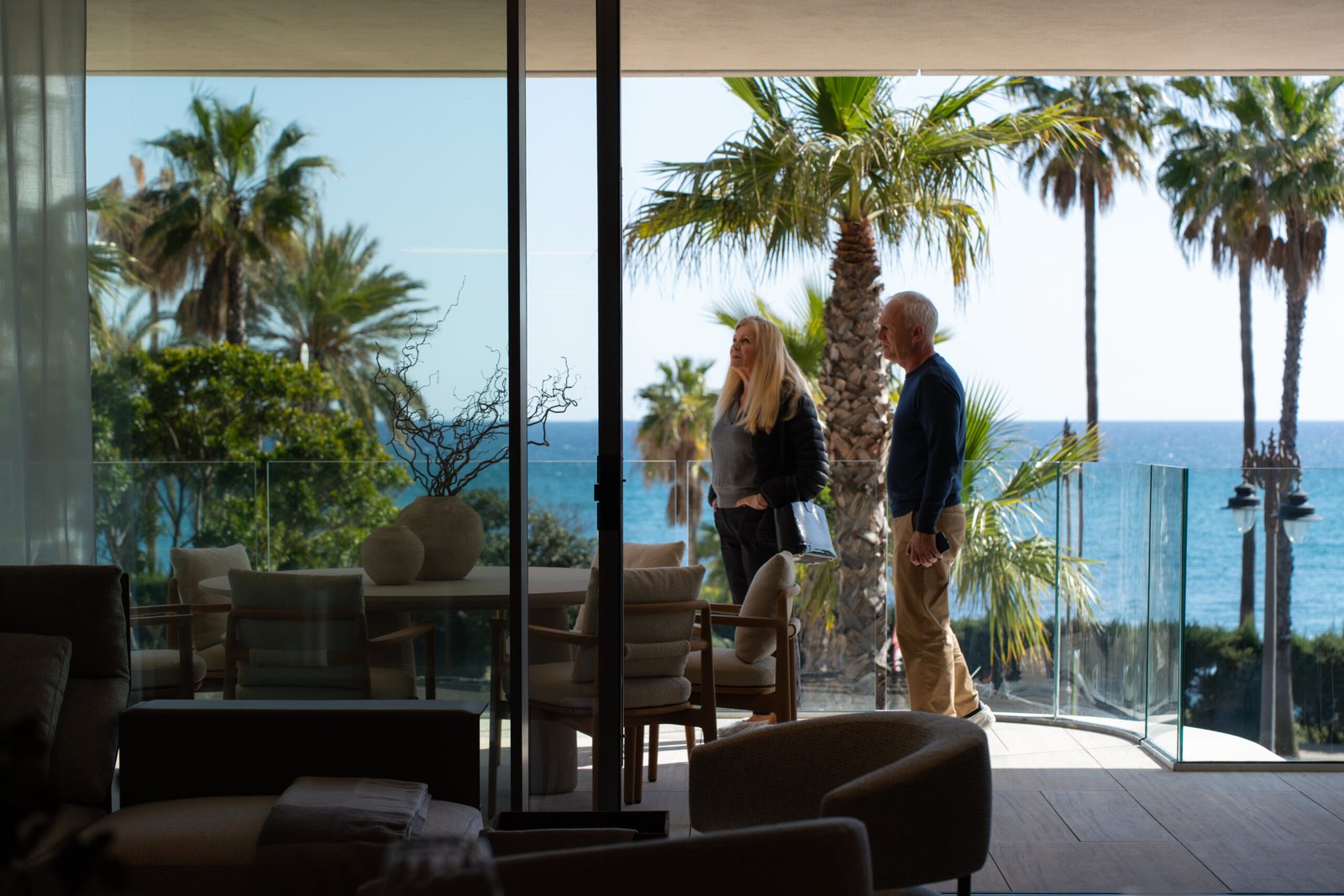
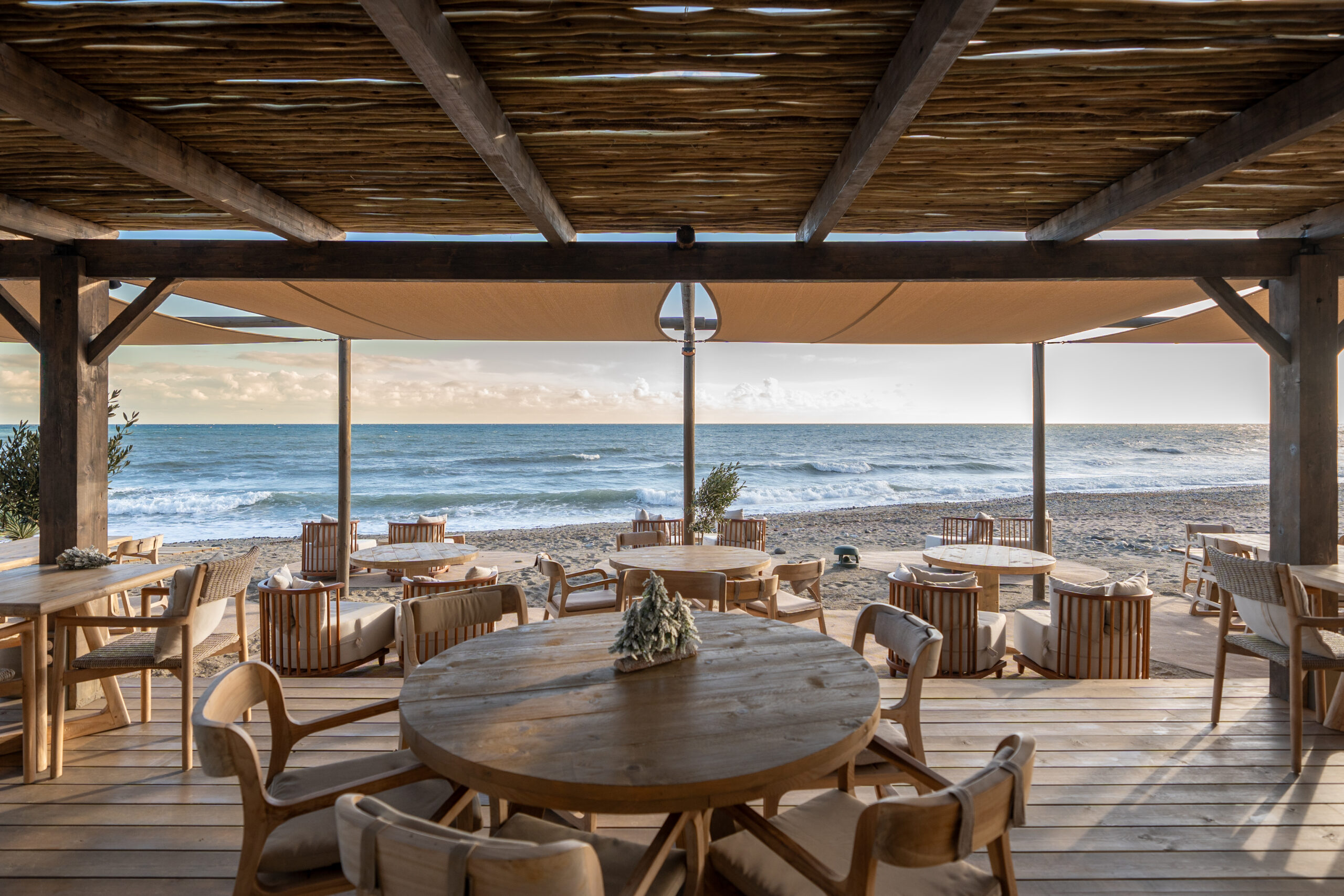
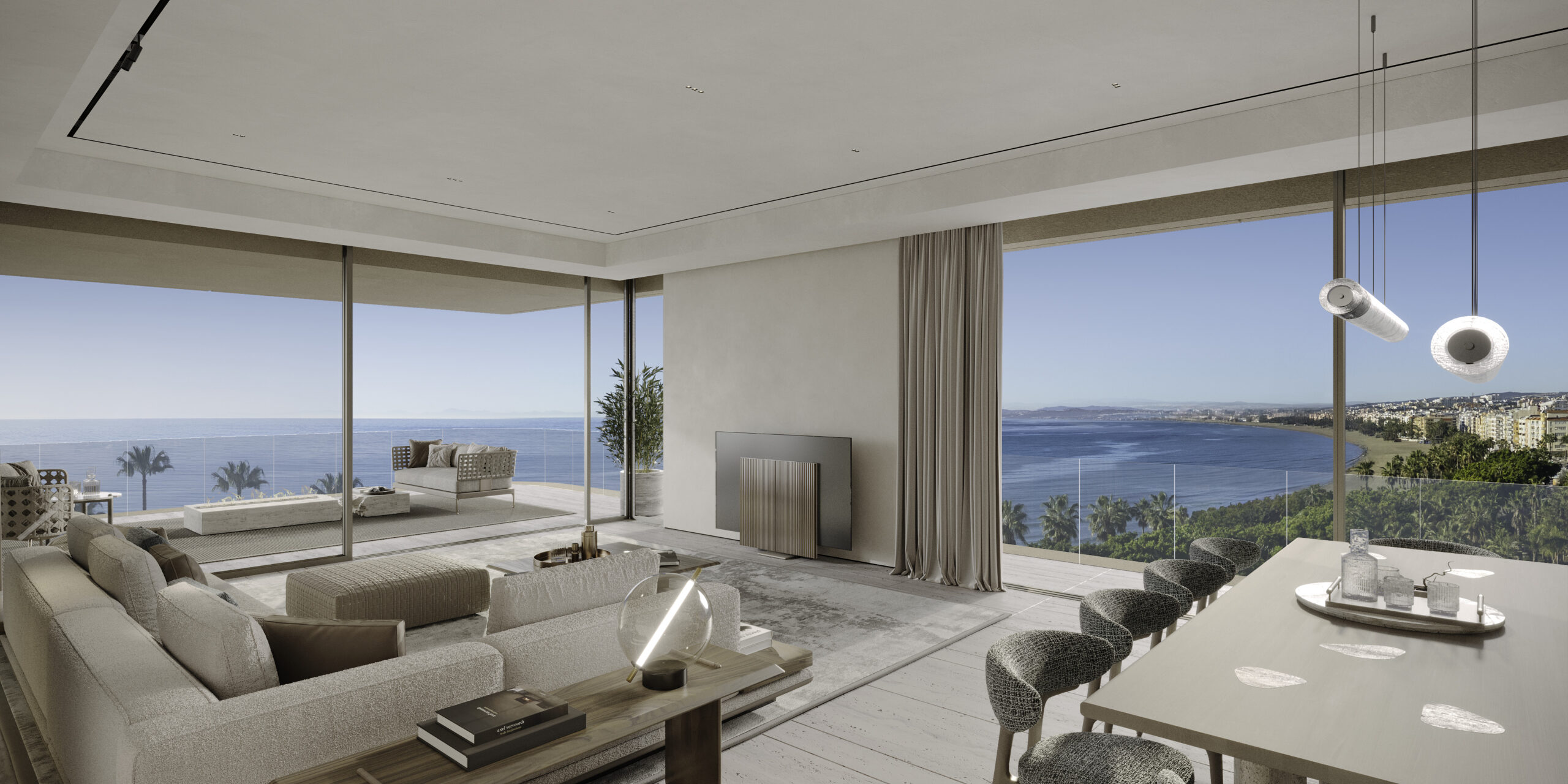
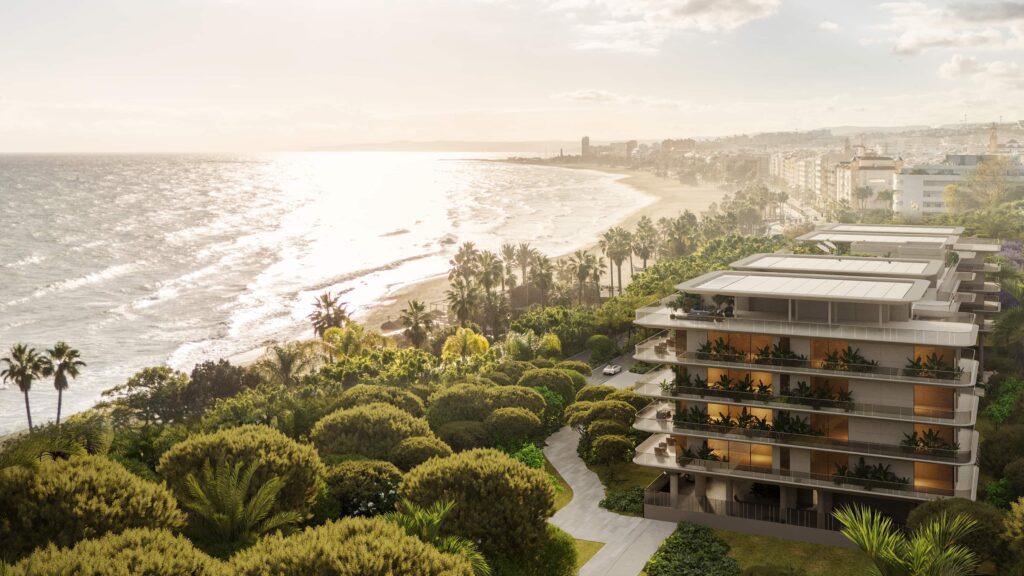
Tyrian Residences, a fully serviced beachfront project in Estepona, is one of the clearest expressions of this shift: villas in the sky designed not only around architecture, but around time, wellbeing and service.

In this article
Key takeaways
- The Costa del Sol is shifting from a holiday coast to an international prime residential asset class, driven by lifestyle factors and structural land scarcity.
- A new international buyer profile is emerging: families who want to live here year-round, prioritising education, healthcare, security and privacy over speculation.
- Tyrian Residences in Estepona is a case study in this new phase: a fully serviced beachfront residence that treats time, service and wellbeing as core components of long-term value.
Costa del Sol: from holiday coast to lifestyle destination
For decades, Spain was seen primarily as a country that exported sunshine. Today, it is exporting an entire way of life. Nowhere is this clearer than on the Costa del Sol, where sea and mountains meet, 320 days of sunshine a year are the norm, and Sierra Nevada’s ski slopes are just a two‑hour drive away.
“Spain used to export sunshine. Today, it exports a lifestyle.”
Add to this direct air connections to more than 140 destinations, high‑quality healthcare, personal safety and a strong network of international schools, and the Costa del Sol stops being a classic “holiday coast” and becomes something else: a place where international families can actually live, work and grow.
A new profile of international buyer on the Costa del Sol
This shift is visible across the Costa del Sol, where international buyers now form the core of prime residential demand. In municipalities such as Marbella, 61% of home purchases are made by foreign buyers, and three quarters of them are not resident in Spain, which illustrates how global capital is shaping the region.
They are not buying to flip a property in the next cycle; they are buying to live, to spend extended periods here and to preserve capital in what they see as a secure, long term residential investment. As Vitaliy Rushchynskyy puts it, the Costa del Sol is not going through a speculative real estate bubble; it is becoming an international asset class.
Why prime residential real estate is defined by scarcity
In this new phase, the key variable is not price, but scarcity. “Expensive housing is a matter of price. Prime housing is a matter of scarcity. Price corrects over time. Scarcity does not,” says Rushchynskyy. What is becoming truly scarce on the Costa del Sol is no longer capital or buyers, but land—especially sites with fully consolidated planning status.
Marbella’s new urban planning framework underlines this reality. The next cycle will be driven less by the number of units delivered and more by the few plots that can actually be developed under clear, secure planning rules. For long‑term investors, this is the type of structural constraint that supports value over time, beyond individual market swings.
Estepona: the next chapter of prime property on the Costa del Sol
Within this broader context, Estepona has emerged as one of the most dynamic markets on the Costa del Sol. Between 2024 and 2025, the average price per square metre in Estepona rose from 2,902 to 3,219 euros (+10.9%), and in the first quarter of 2026 it increased by a further 13.2% year‑on‑year, according to CIEN‑Notarios. Transaction volumes ended 2025 up 9.6%, a sign of an expanding market that is still in a consolidation phase.
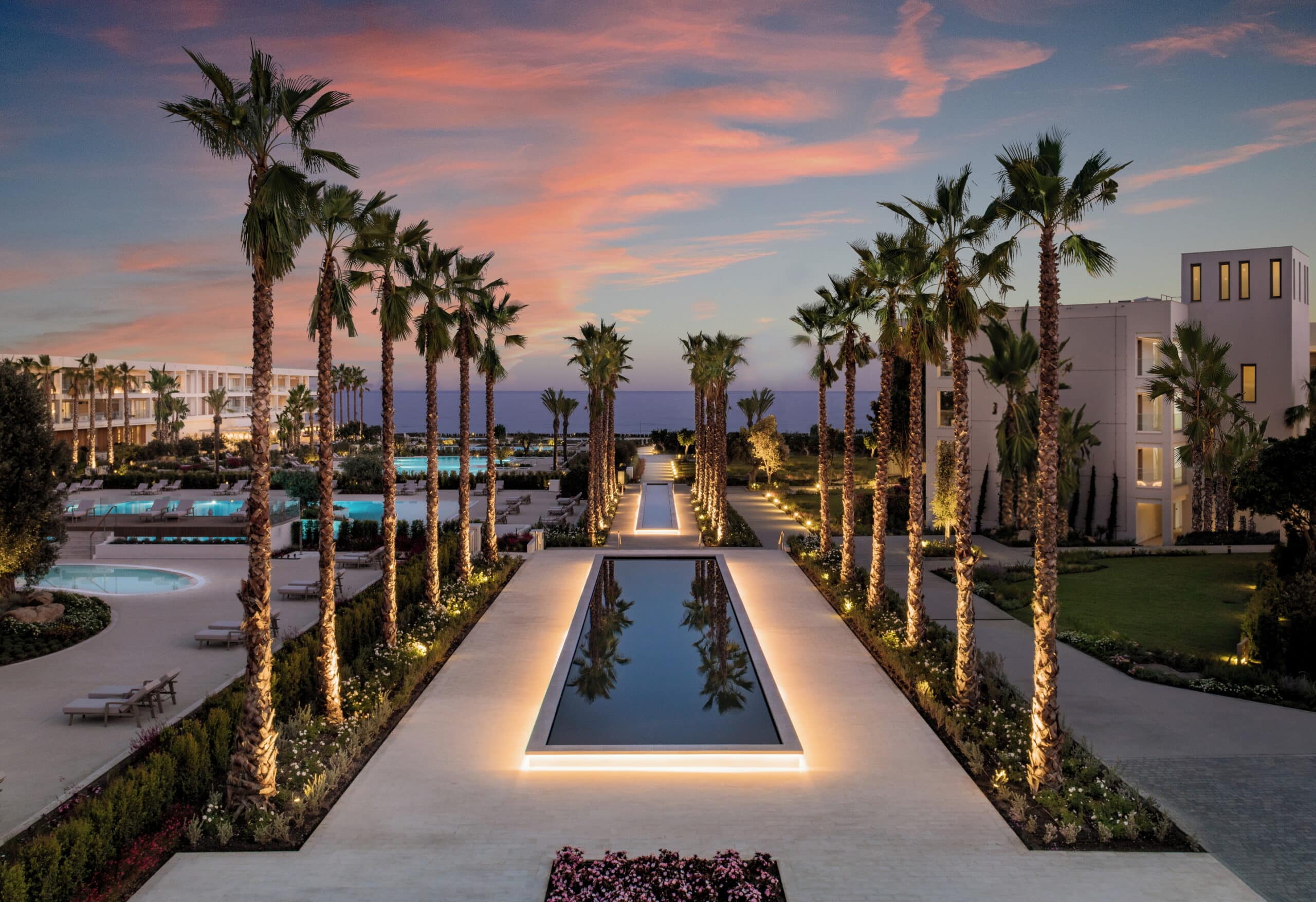
Unlike destinations where almost all prime stock is already built and traded as legacy assets, Estepona still combines serious infrastructure investment, growing international demand and room for further revaluation from today’s price levels. At the same time, the town has managed to grow its prime residential offering without losing its human scale, its white‑village character or its commitment to sustainable development—traits that are increasingly important for globally mobile families.
From visibility to quality of life: what today’s luxury buyer wants
Rushchynskyy has spent more than two decades at the top end of the residential market and describes a clear shift in priorities. “People with money used to look for places where they could be seen,” he says. “Today, they are looking for places where they can live well. And for that profile, living well means more privacy.”
If the Costa del Sol was once a holiday destination, many of the families arriving now are younger, often with school‑age children, asking about nearby schools, gyms and tennis academies rather than just beach clubs. They want to raise their children here and maintain professional momentum while doing so, which is a very different brief from the buyer profile of a decade ago.
Time as the new luxury in Costa del Sol real estate
For this new buyer, luxury is no longer measured in extra square metres alone. It is measured in time. A high‑value property without professional support quickly turns into a complex operation: staffing, maintenance, security, administration and coordination across multiple providers. Few owners with demanding careers and global commitments want to spend their time managing a second home as if it were a small hotel.
This is why the most interesting projects on the Costa del Sol today are not simply “bigger” or “more decorated”. They are those that embed professional management, privacy, wellbeing and long‑term operability into the very concept of the building. In Rushchynskyy’s words, the next revolution in luxury residential will not come from design alone; it will come from management companies that can deliver a consistent quality of daily life.
A fully serviced residence model designed for long-term living
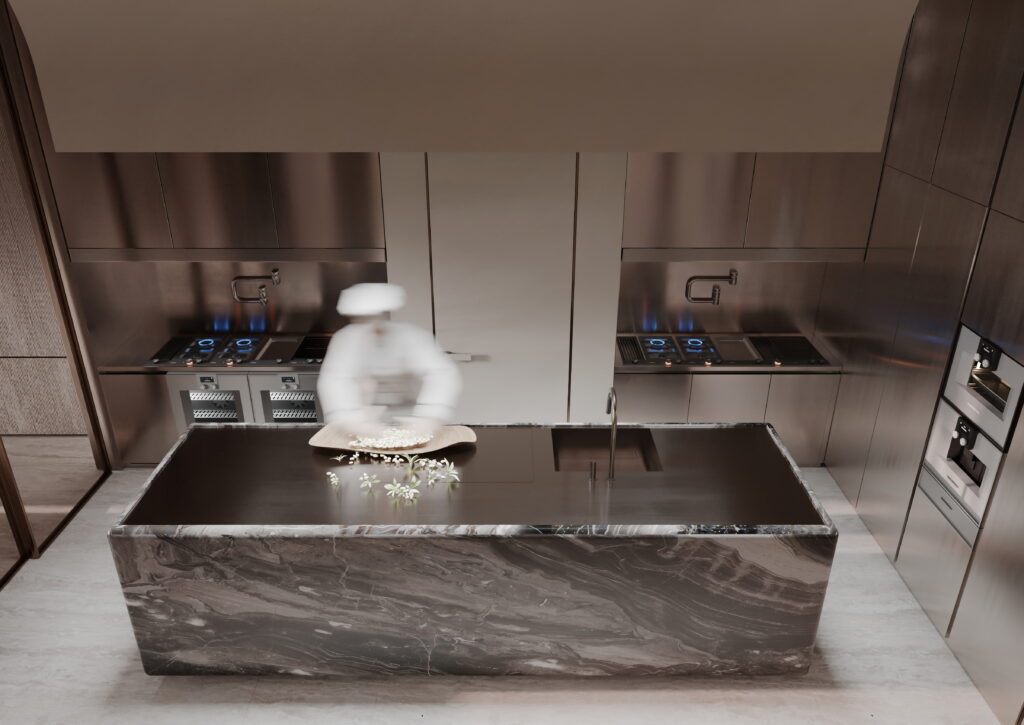
Tyrian operates as a fully serviced residence rather than a traditional apartment building. Concierge, security, maintenance and integral property management are delivered by the developer’s own team on a permanent basis, without relying on an external hotel brand. The aim is simple: to create a building that works for its owners, so that they can focus on living rather than managing.
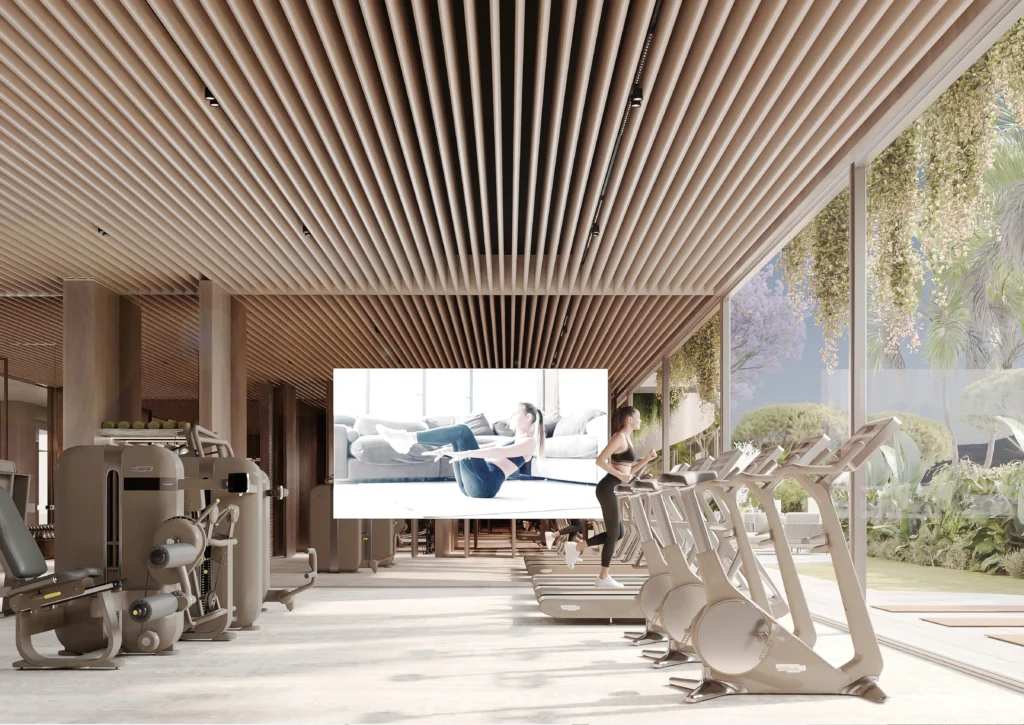
Amenities, which extend over more than 1,400 square metres, are conceived for year‑round use rather than seasonal stays, with wellbeing, privacy and family life at the centre. For family offices and private investors, this kind of operational backbone is increasingly relevant, because it helps preserve both the lifestyle proposition and the long‑term attractiveness of the asset.
A benchmark for prime beachfront residences in Spain
As of the forum date, 24 of the 40 residences at Tyrian had been sold, and completion is scheduled for the first quarter of 2027. The project has already been recognised with the Five‑Star Award at the European Property Awards 2025–2026 as Spain’s Best Residential Development, reinforcing its positioning within the European prime market.
For Rushchynskyy, the key is not attempting to predict short‑term price movements, but building exactly the kind of assets that buyers will still value in ten or twenty years’ time: irreplaceable locations, structural scarcity of land, wellbeing‑oriented architecture and professional management that protects owners’ time. In that sense, Tyrian is less a standalone project and more a concrete example of how the Costa del Sol’s transformation into an international prime residential asset class is taking form on the ground.