Located in Southern Spain, on the Costa del Sol, Estepona lies between Marbella and Sotogrande, directly on the Mediterranean. Long appreciated for its relaxed rhythm, walkable scale and strong connection to the sea, the city is now emerging as a quiet luxury destination and positioning itself among Southern Europe’s safest coastal cities.
Unlike the high-density tourism and seasonal fluctuations that define nearby Marbella or Puerto Banús, Estepona maintains a year-round residential character. This distinction matters: seasonal cities experience infrastructure strain, service interruptions and demographic instability. Estepona's planning framework is designed around permanent residents, not transient visitors.
This evolution is supported by a level of institutional planning that sets Estepona apart. The city is currently the only municipality in Spain, and the only one on the Costa del Sol, participating as an institutional partner in the European Union–funded ECHO programme, a pilot framework focused on urban resilience and continuity. This involvement reflects a broader shift: Estepona is positioning itself as a city designed for stability, predictability and long-term quality of life.
In this article
What is the European ECHO programme and how does it change the way Estepona operates?
Estepona is the only Spanish municipality selected as an institutional partner in the ECHO programme, a European Union–funded pilot system focused on urban resilience to natural and digital challenges in the province of Málaga, including protocols for digital infrastructure resilience and cybersecurity, critical as municipal services increasingly depend on connected systems. Estepona's involvement in ECHO extends beyond environmental resilience to ensure continuity of services like water management, emergency response and public information systems even during digital threats.
No other municipality on the Costa del Sol participates in this initiative at the same institutional level. ECHO brings together 26 organisations across Europe—including water management specialists (Cetaqua), emergency services (061 Andalucía), digital security experts and municipal authorities—to develop shared data models, coordinated response frameworks and decision-making systems designed to maintain urban continuity under complex conditions.
By taking part as an active partner, Estepona is aligning its local planning and operational protocols with European standards. This involvement strengthens coordination between services, improves response capacity and reinforces the city’s ability to function predictably over time. For residents, the outcome is simple: greater continuity, fewer disruptions and a city that is prepared rather than reactive.
How are recent urban changes positioning Estepona among Southern Europe’s safest coastal cities?
In Estepona, everyday safety is increasingly achieved through urban design. Recent interventions focus on making the city more legible, walkable and predictable throughout the day and night.
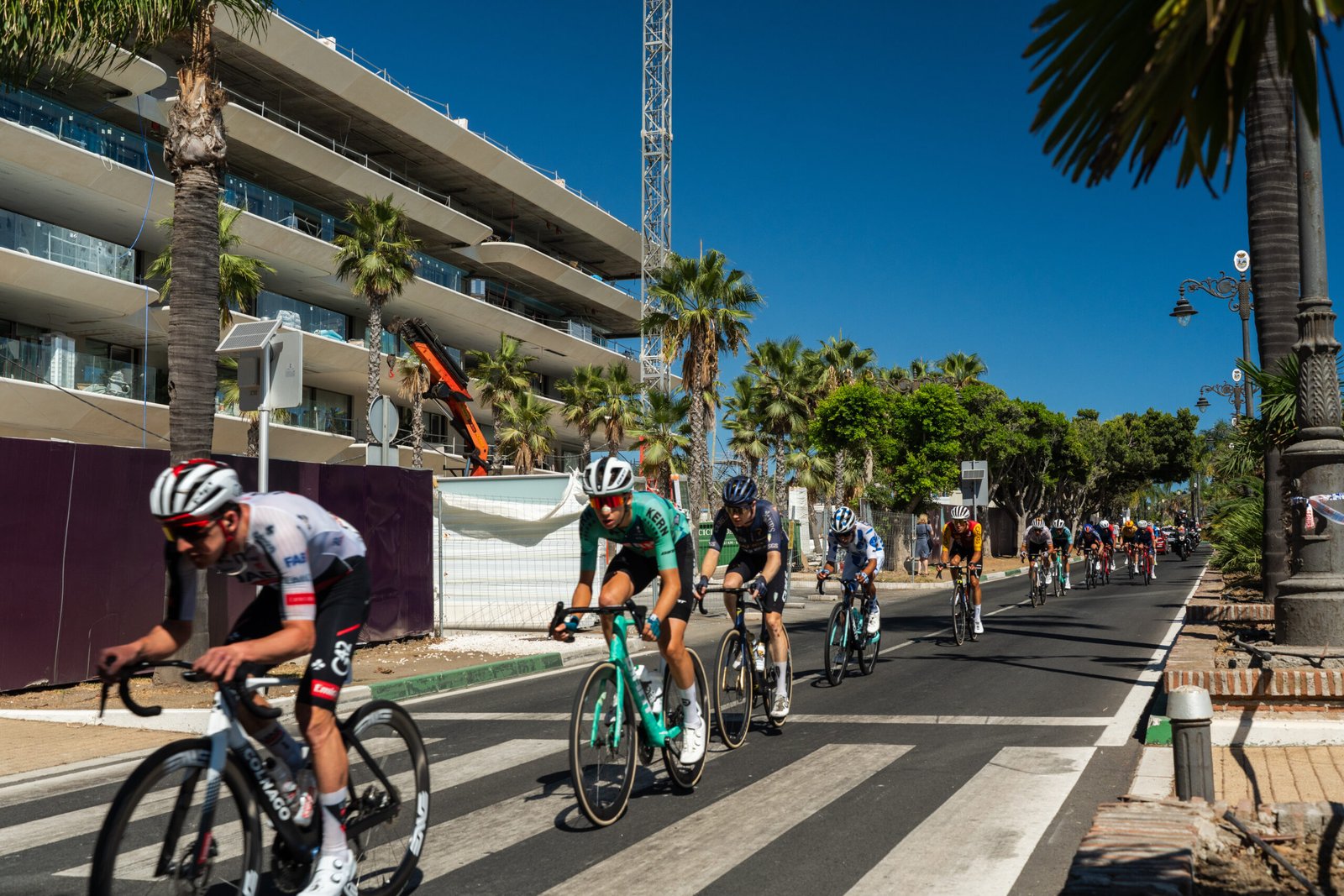
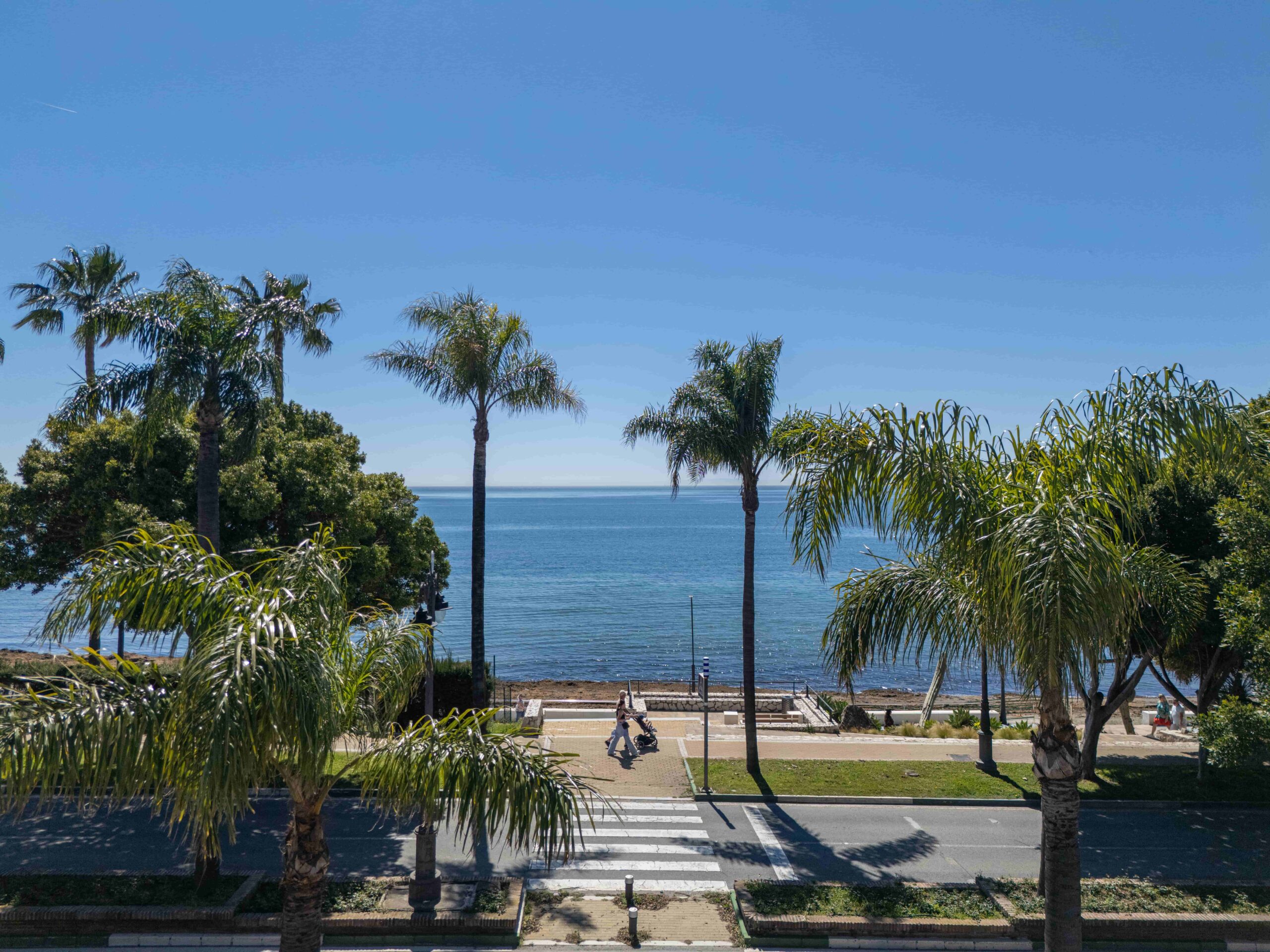
The transformation of Avenida de España plays a central role in this approach. Reconfigured as a pedestrian-first axis, it strengthens the connection between the urban centre and the seafront through wider pavements, green planting, improved drainage and barrier-free access. This redesign reduces traffic pressure, improves visibility and supports safer circulation without altering the city’s calm character.
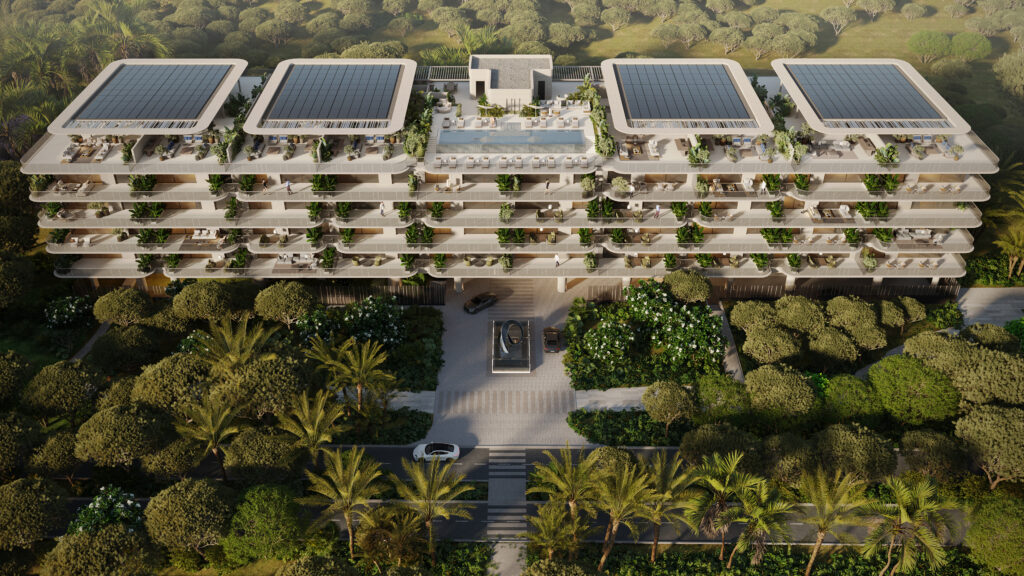
Along the same coastal axis, Tyrian Residences' Smart Boulevard extends these principles. Conceived as a landscaped, walkable corridor, it integrates adaptive, speed-sensitive lighting that responds to movement and time of day. Visibility increases where needed, while over-illumination is avoided, creating a safer environment that remains discreet and comfortable at night.
Beyond the seafront, targeted infrastructure reinforcements along key access routes have strengthened connectivity with surrounding areas, ensuring continuity of movement and service access even during seasonal weather variations. The near-completion of a continuous coastal corridor further unifies the city, improving circulation, orientation and access along the Mediterranean edge.
How does predictability translate into peace of mind?
For long-term residents, predictability means knowing that infrastructure maintenance follows schedules, that public services coordinate seamlessly during peak seasons, and that flooding risks—a historical concern on the Costa del Sol—are mitigated through reinforced drainage systems and retaining walls now being upgraded across key access routes. It means the city functions with consistency, not ad-hoc crisis management. This is what sophisticated buyers mean by "safety": not absence of risk, but systems designed to anticipate and prevent disruption before it occurs.
Why does this matter to international buyers considering Estepona?
Estepona’s evolution reflects this mindset. It is becoming safer not because it promises protection, but because it is building systems that prevent disruption. In an era when coastal real estate faces mounting pressures from climate change, tourism saturation and infrastructure strain, Estepona's institutional commitment to resilience and measured growth is increasingly rare, and increasingly valuable.