The air we breathe, the light we receive and the sounds around us shape our daily environment. Yet these elements are rarely considered when choosing a home.
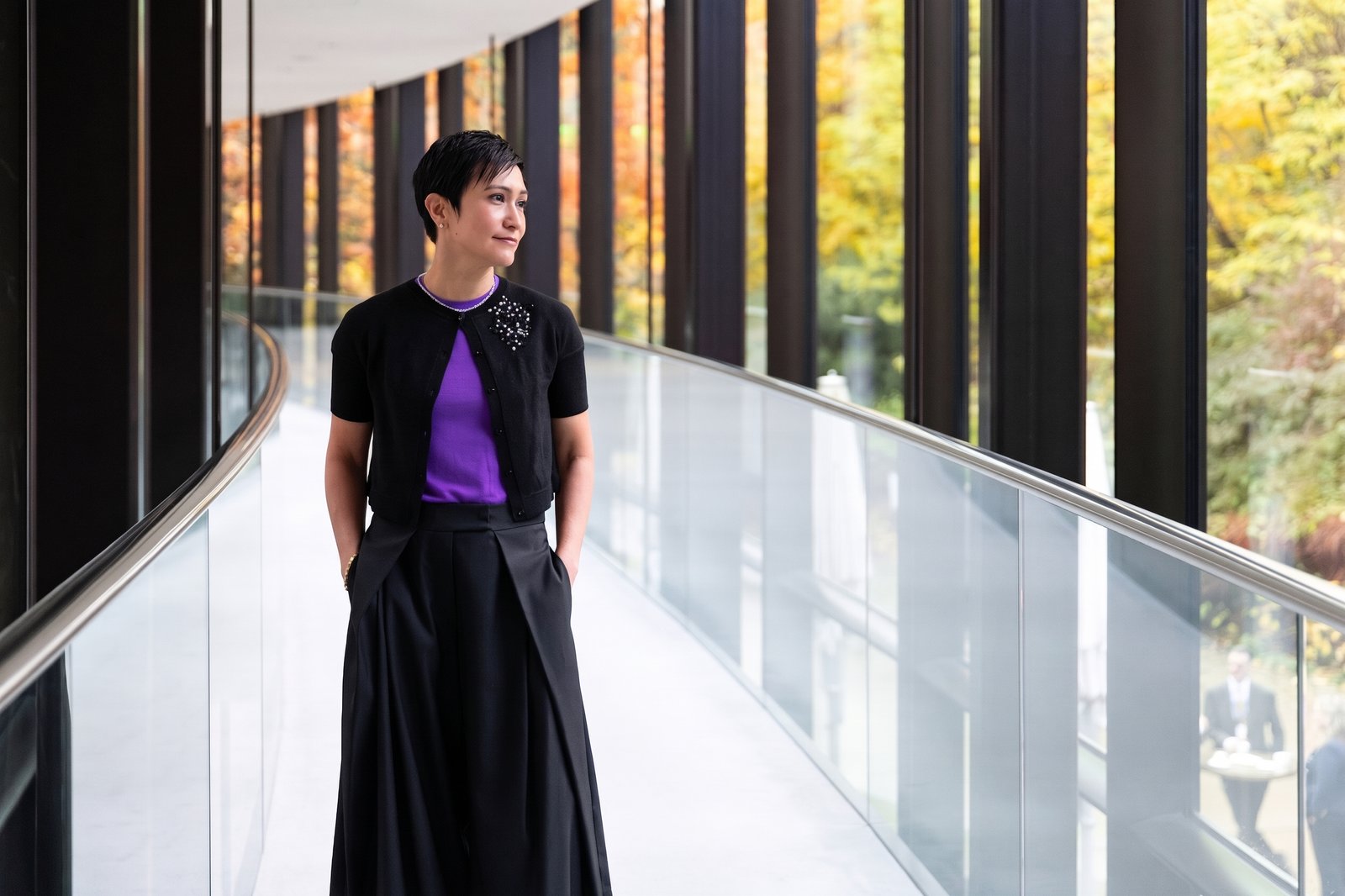
At the Prestel & Partner Family Office Forum in Zurich, Rachel Hodgdon, President and CEO of the International WELL Building Institute (IWBI), joined a discussion on the relationship between the spaces we inhabit, human health and long-term real estate value, at the invitation of Tyrian Residences. Her presentation, The Human Dividend: Investing in Health, Well-Being and Long-Term Value, explored how the built environment influences everyday life and why health is becoming a more relevant consideration for property owners, investors and homebuyers.
In this article
Real Estate and Longevity: The Influence of Our Homes
Real estate and longevity are increasingly connected through a better understanding of the environments in which people spend their lives. According to Hodgdon, we spend roughly 90 per cent of our time indoors. The quality of these spaces therefore has a direct bearing on our daily experience.
“Our buildings shape the air we breathe, the water we drink, the light that calibrates our sleep, the noise that impacts our focus and the materials we touch every single day. They do that whether anyone is paying attention or not.”
This influence often goes unnoticed. Indoor environments affect people continuously, from the quality of the air to the conditions that support rest and concentration. Their impact extends beyond comfort, bringing the design and maintenance of residential spaces into the wider conversation about health.
Hodgdon also drew attention to the role of the physical and social environment in determining health and wellbeing:
“Your physical and social environment have a greater bearing on your health and wellbeing than your genetics, your access to healthcare and your lifestyle choices combined.”
Her perspective places the home within a broader understanding of longevity. As she put it:
“I would be so bold as to suggest that the most powerful longevity intervention available to you isn’t a supplement or a laser or a clinic. It’s the place where you and your family lay your heads to rest every night and the spaces where you work day in and day out.”
The statement brings attention to the everyday conditions in which people rest, recover and live. The quality of these environments is becoming an increasingly relevant part of the conversation about long-term health.
The Elements of a Healthy Home
The WELL Building Standard translates research on health and the built environment into practical strategies. Its framework considers ten concepts: air, water, nourishment, light, movement, sound, thermal comfort, materials, mind and community.
For residential design, these areas bring attention to aspects that may not be immediately visible during a property viewing.
Air Quality and Indoor Environments
Indoor air quality is one of the most important considerations. Ventilation, filtration and the materials used within a home can influence the air residents breathe every day.
Hodgdon shared a personal experience from her apartment in New York. After returning from a holiday, she noticed a fine layer of grey dust covering her young son's white pyjamas. Demolition work in a neighbouring building had exposed a problem with the apartment's HVAC installation, allowing unfiltered outdoor air to enter the home.
The experience revealed how easily indoor air problems can remain undetected.
“Most invisible problems never show up on a pair of white pyjamas. People just keep feeling unwell.”
Her account highlights the importance of proper ventilation, suitable filtration and ongoing attention to indoor conditions.
Light, Sleep and the Body's Natural Rhythm
Light plays an important role in regulating the body's circadian rhythm. Exposure to natural daylight during the day and appropriate lighting conditions in the evening help support the natural sleep-wake cycle.
Residential lighting therefore has a role beyond visibility and atmosphere. Its intensity, timing and distribution can influence how a home supports rest.
Sound and Acoustic Comfort
Noise can affect concentration, relaxation and sleep. Acoustic design helps limit unwanted sound and creates spaces where residents can rest without constant disturbance.
For homes intended for year-round living, acoustic comfort is an important part of the overall residential experience.
Materials and Thermal Comfort
The materials used indoors, together with temperature regulation, contribute to the conditions in which people live. Surface finishes, paints and cleaning products can influence indoor exposure, while thermal comfort helps maintain a stable and pleasant environment throughout the year.
These considerations place greater emphasis on the performance of a home over time, including how it is maintained and managed.
Health as a New Consideration in Residential Real Estate
Hodgdon sees an opportunity for health to become a more relevant factor in residential decisions, particularly in the luxury property market.
“Health is an entirely different proposition.”
She was comparing the growing interest in healthy homes with the more established appeal of environmental sustainability. For families, the subject has a direct and personal meaning. Hodgdon described how parents want to give their children the best possible conditions in which to grow and develop.
“You can’t put a price on giving her child one more opportunity to succeed, an advantage in their academic studies and a place to flourish. These things are priceless.”
The demand for healthier residential environments is also reflected in the expansion of WELL for Residential. When the programme opened for pilot enrolment in May 2023, IWBI expected around 3,000 homes to join. The initiative received 30,000 enrolments. Nearly 50,000 residences across 28 countries have now joined the programme.
The market evidence is still developing. Hodgdon was careful to distinguish between the more established findings from commercial buildings and the emerging residential data.
“I won’t promise you an office-building-sized return on a home. But the direction is unmistakable.”
Research cited during her presentation from MIT's Center for Real Estate found that WELL Certified buildings generated rental premiums of between 4.4 and 7.7 per cent. The same research identified lease terms that were, on average, more than a year longer than those of comparison spaces. These findings relate to commercial buildings and should not be interpreted as a direct forecast for residential property.
Residential case studies are beginning to offer further insight. Hodgdon referred to a development in Denver comprising approximately 200 condominiums and rowhomes, which achieved WELL Gold certification. An independent study by Colorado State University found that residents reported better physical, social and emotional health than in their previous homes.
Other research presented in Zurich followed employees at six companies as they moved into WELL Certified buildings. Across more than 1,300 survey responses, reported wellbeing rose by 26 per cent and perceived mental health increased by ten points. These findings concern workplace environments, but they add to the growing body of evidence on the relationship between buildings and human health.
Together, these examples point to a growing interest in how the built environment contributes to quality of life and the long-term value of real estate.
Tyrian Residences: A European Perspective on Healthy Residential Design

During her presentation, Hodgdon named Tyrian Residences as one of the European residential projects embracing this approach.
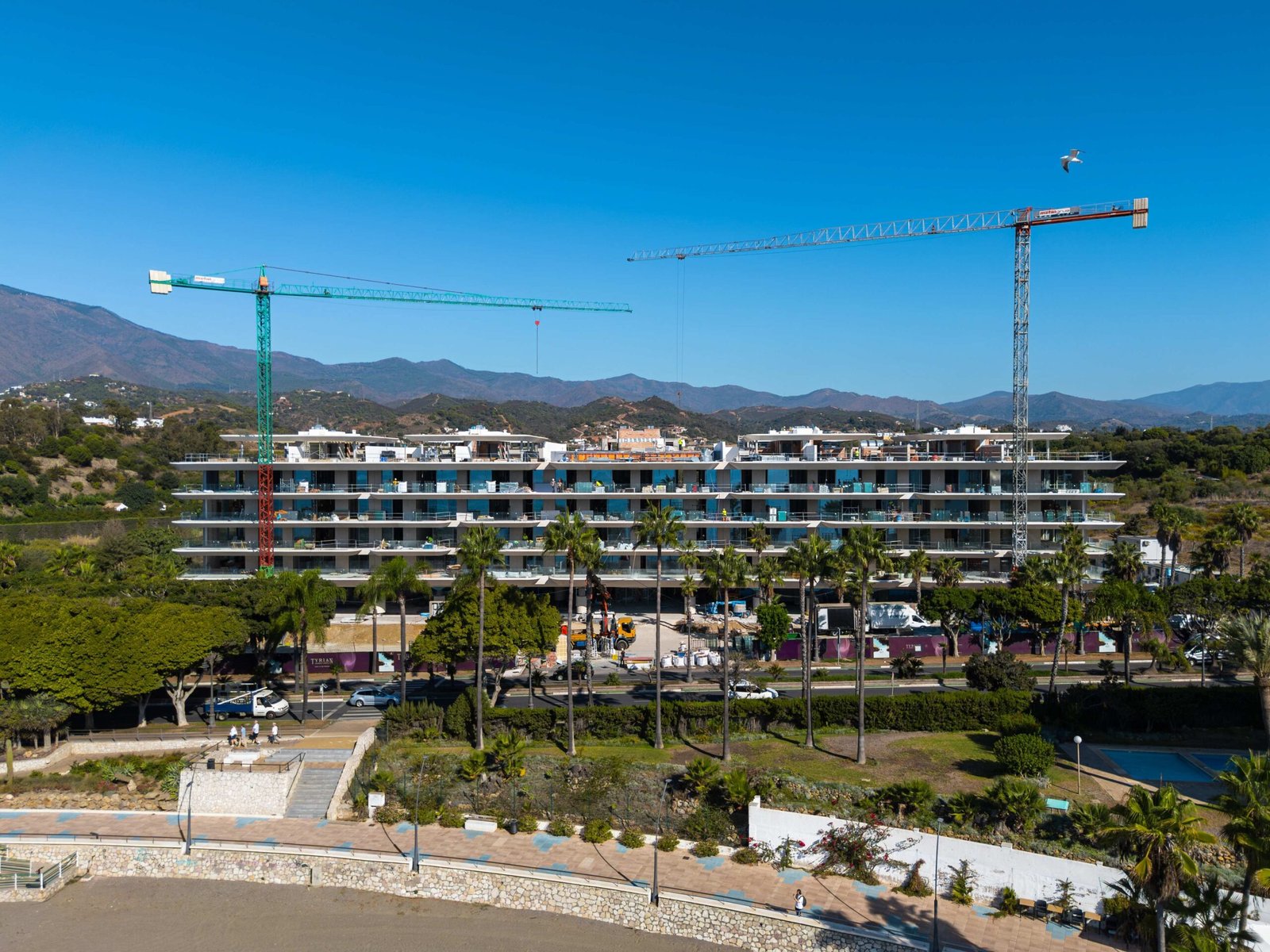
“Tyrian Residences in Estepona, on the Costa del Sol of Spain, is 40 villas in the sky on the beachfront, due for completion in 2027 and now in precertification review. It’s slated to be one of the first WELL Certified residential properties in all of Europe.”
At Tyrian, criteria covering air and water quality, lighting, materials and environmental comfort were incorporated from the outset of the project. The development is currently in WELL precertification review, with the aim of becoming one of the first WELL Certified residential developments in Europe.
Completion is scheduled for the first quarter of 2027.
Hodgdon's reference places the project within a wider shift in residential design, where the conditions that shape everyday life are receiving greater attention alongside architecture and location. It also reflects the growing relevance of independently assessed standards in the discussion about healthy homes.
The Long-Term Value of the Places We Inhabit
For Hodgdon, the relationship between buildings and health extends beyond individual properties. It also concerns the environments passed on to future generations.
Her closing remarks returned to the idea that the places where people live, work and learn have a lasting influence on their lives.
“You have the power to create places that support the next generation long before any inheritance changes hands.”
This perspective places residential design within a wider discussion about long-term value. A home is an asset, but it is also the setting for daily routines, family life and personal wellbeing.
As the understanding of healthy buildings develops, the quality of indoor environments is likely to play a more visible role in how residential properties are designed, assessed and valued.
The conversation in Zurich offered a clear reminder: the places we inhabit deserve the same attention as the lives we build within them.